essay — 01.06.2026
THE GEOGRAPHY OF CONTRADICTION: YE ISTANBUL AND THE STRATEGIC GRAY AREA

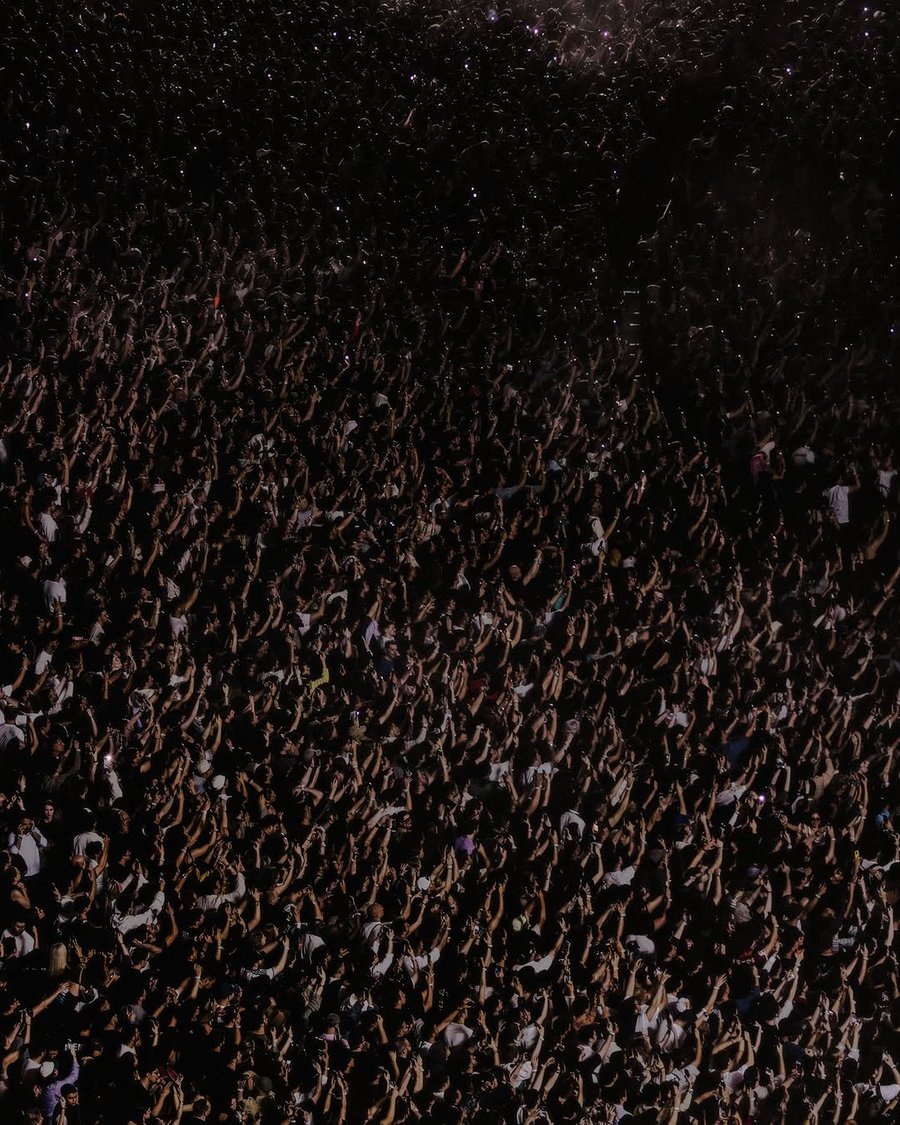
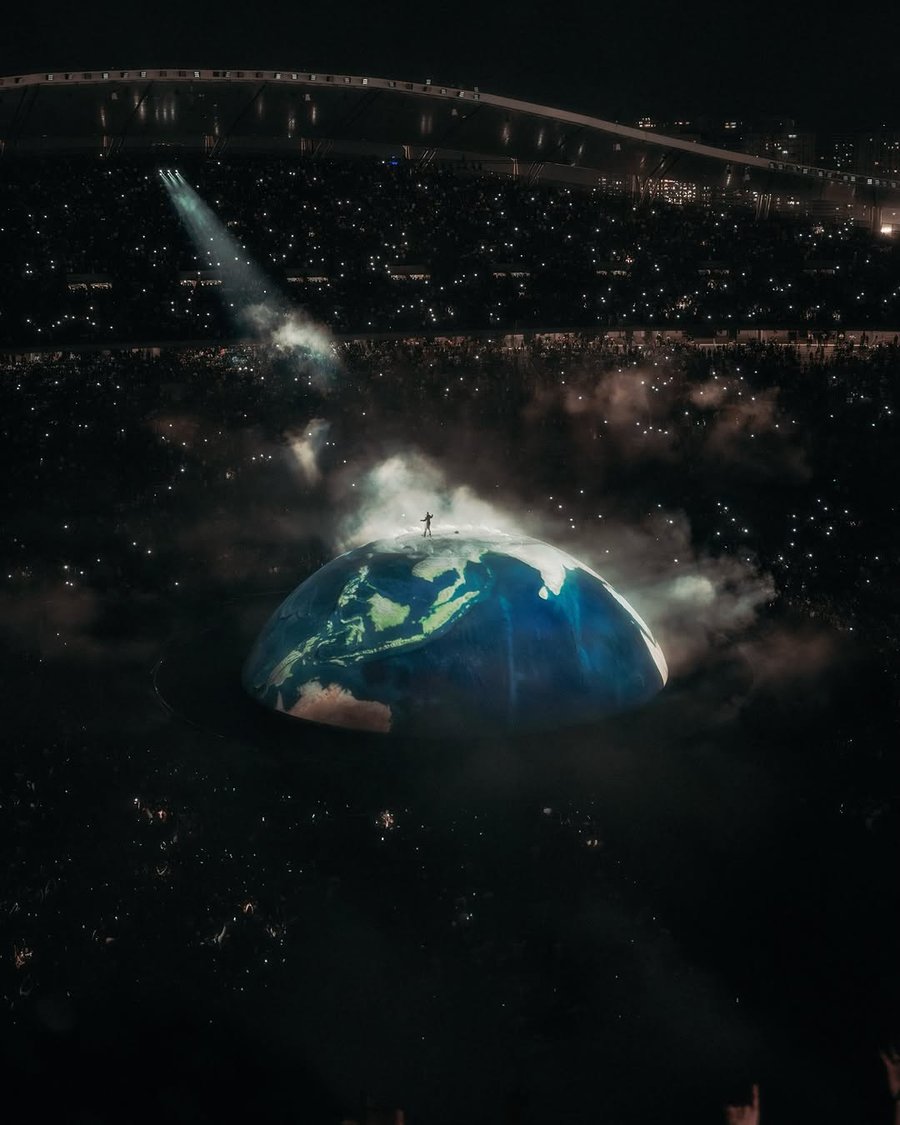
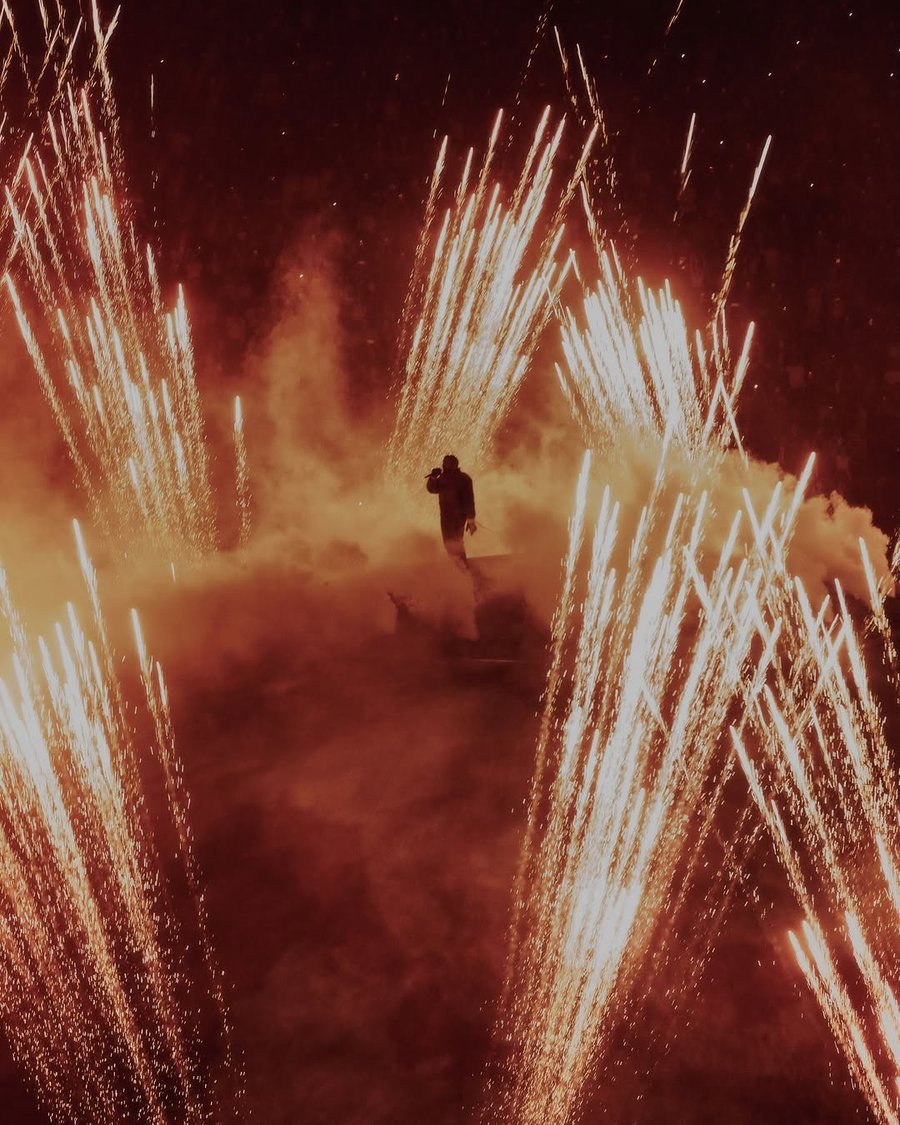
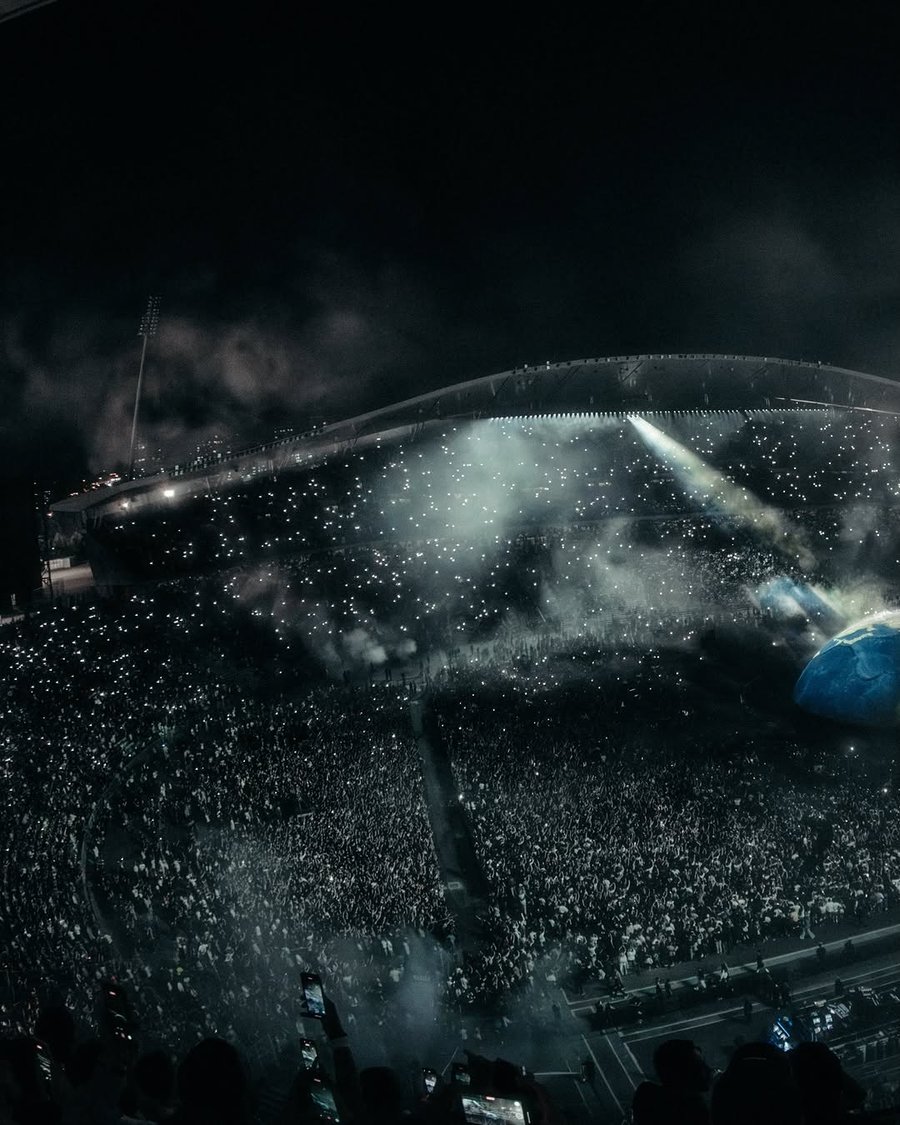
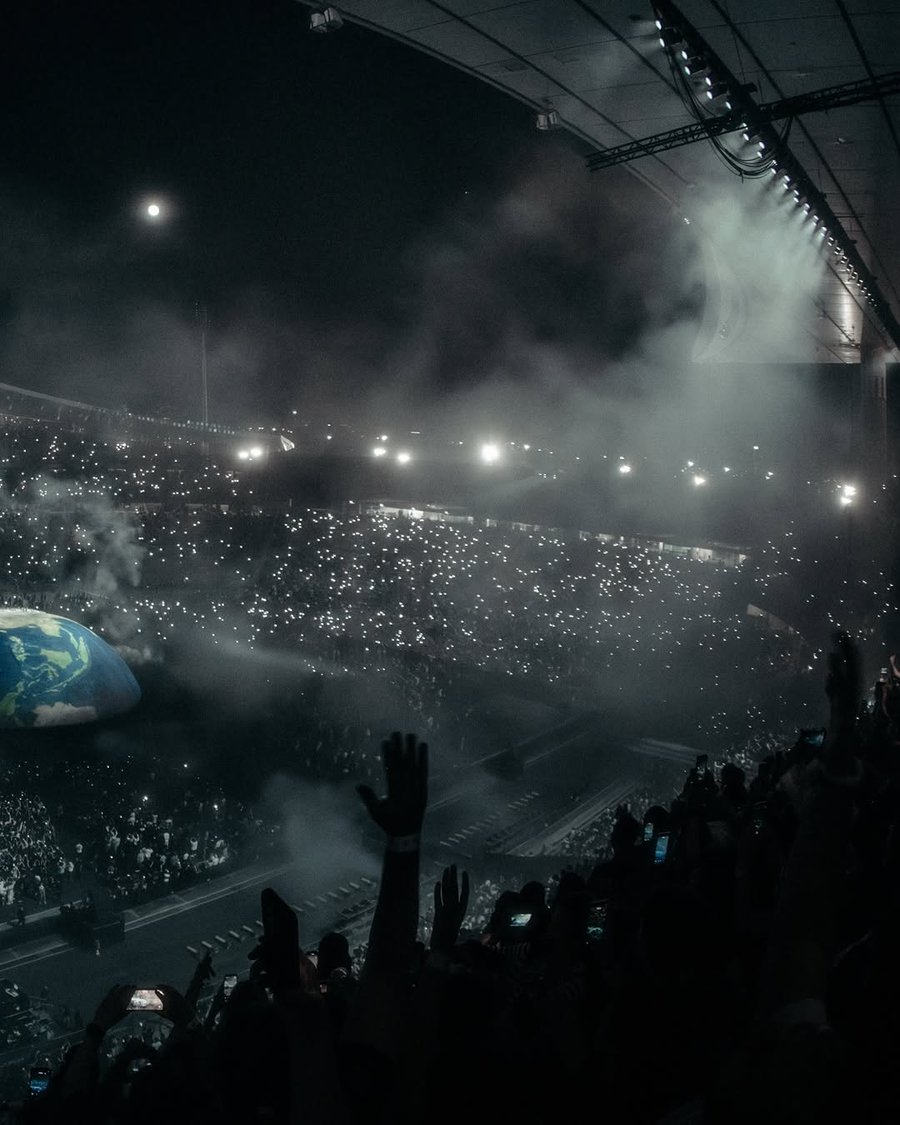
On the night of May 30th, 118,000 people gathered at the Atatürk Olympic Stadium in Istanbul. It was a record-breaking moment, not just for the artist known as Ye, but for the city itself. While much of Europe and the UK had effectively closed their borders to the artist following a series of controversial and widely condemned statements, Istanbul opened its gates. This event was more than a concert; it was a profound "Kültürel Teşhis" (Cultural Diagnosis) of the modern condition, a vivid display of the friction between global ethics, local realities, and the irresistible pull of aesthetic authority.

THE COGNITIVE DISSONANCE OF CONSUMPTION
The audience in Istanbul presented a fascinating study in cognitive dissonance. Many of those in attendance are the same individuals who, on a daily basis, champion social justice, women’s rights, and ethical accountability on their digital platforms. Yet, when faced with the "hype" of a global icon, these ethical frameworks appeared to be momentarily suspended. This is not a simple case of hypocrisy; rather, it is a structural feature of modern cultural consumption. In the WANC framework, we identify this as the "Aesthetics of Suspension." When the aesthetic output, the music, the stage design, the cultural capital, reaches a certain threshold of "sophistication," it creates a vacuum where moral judgment is replaced by sensory experience.
The question is not whether these individuals are "two-faced," but how the modern mind manages to compartmentalize art from the artist. Is our ethical stance a fundamental part of our identity, or is it a luxury accessory that we choose to wear only when the cost of doing so is low? In Istanbul, the cost of "canceling" Ye was deemed higher than the pleasure of witnessing a historic cultural moment.
ISTANBUL AS A STRATEGIC LOOPHOLE
Beyond the individual, the event highlighted Istanbul’s emerging role as a "Strategic Gray Area" in the global cultural landscape. As Western institutions increasingly rely on "Cancel Culture" as a mechanism for ethical filtration, Istanbul is positioning itself as a geographic and cultural loophole. The city acts as a "Cultural Conductor," absorbing the "raw" and controversial energies that the West has deemed too radioactive to touch.
This is not necessarily a stance of defiance, but one of pragmatic iletkenlik (conductivity). Istanbul’s historical identity as a bridge between East and West allows it to operate in a space where global moral hegemonies are less rigid. The stadium was not just a venue; it was a laboratory where the limits of global ethical oversight were tested against the reality of a local, 118,000-strong demand.

THE VICTORY OF THE IMAGE
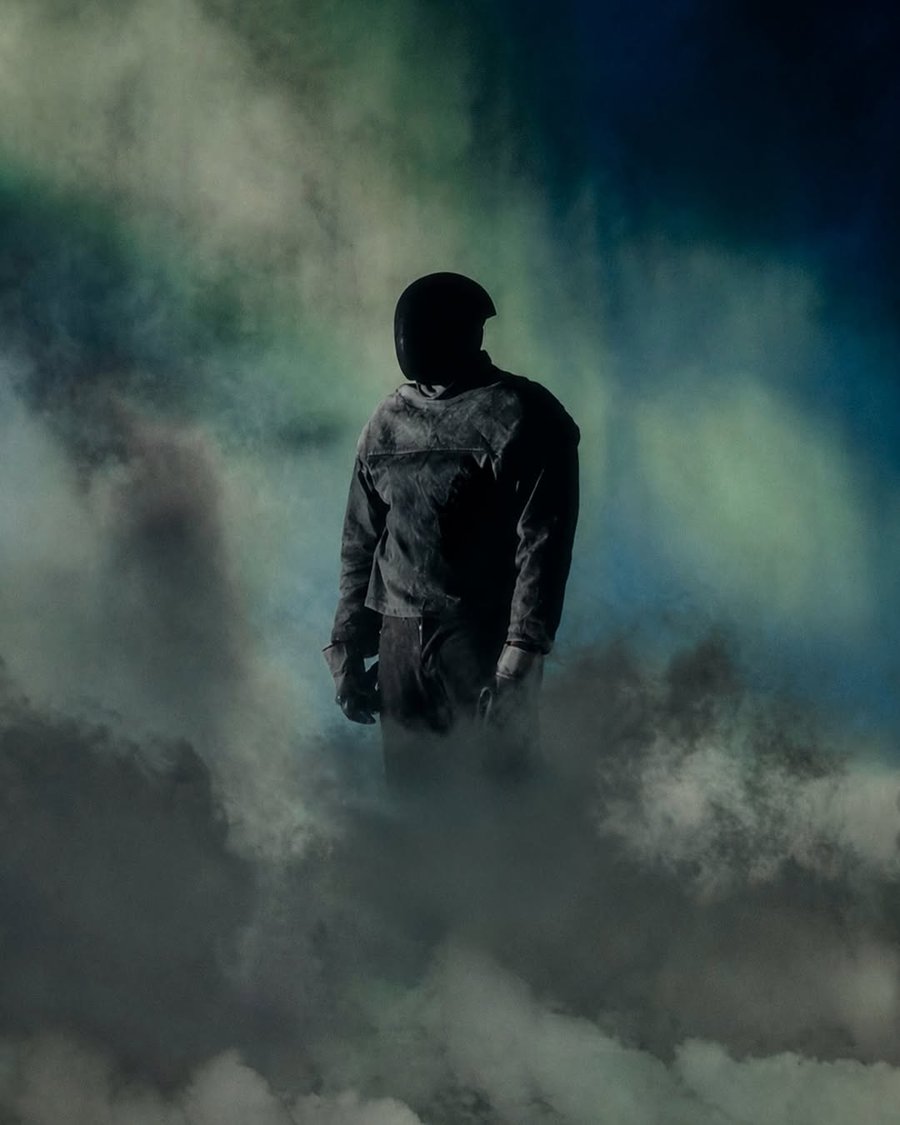
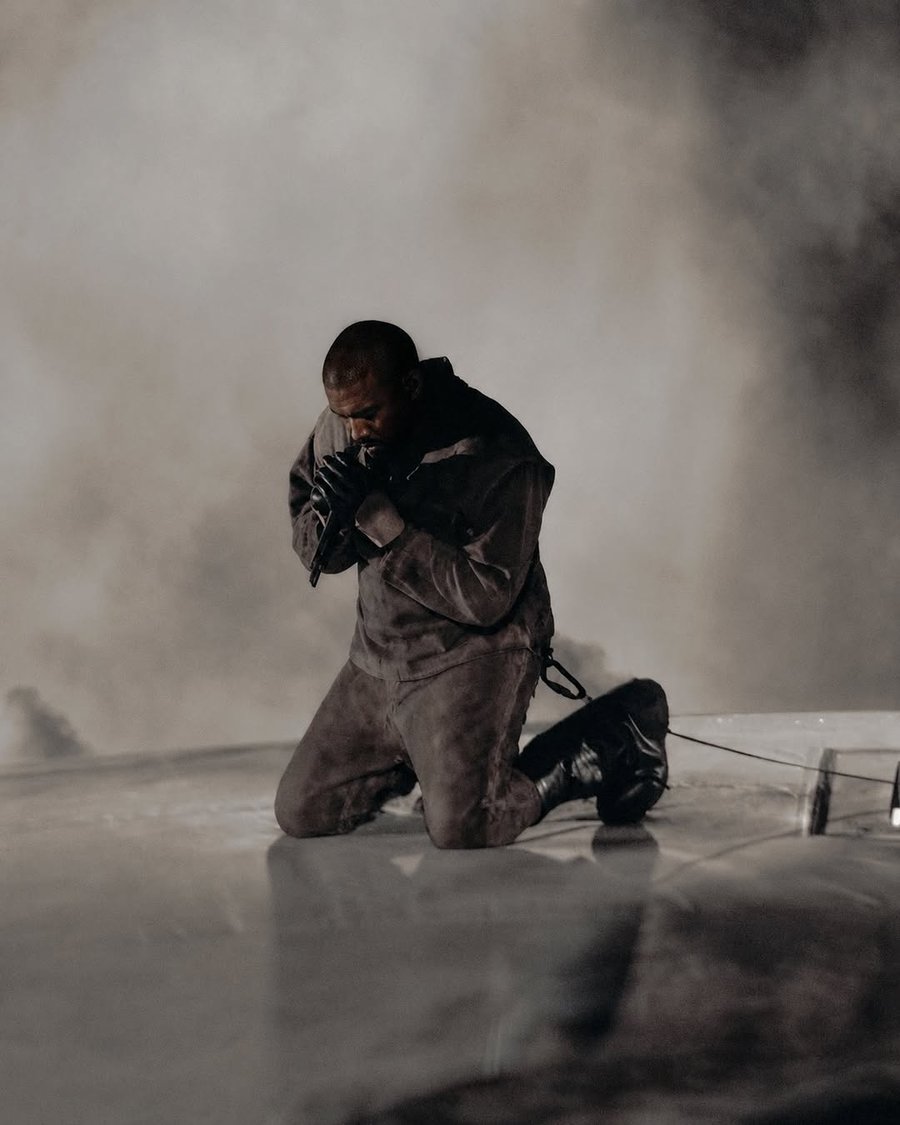
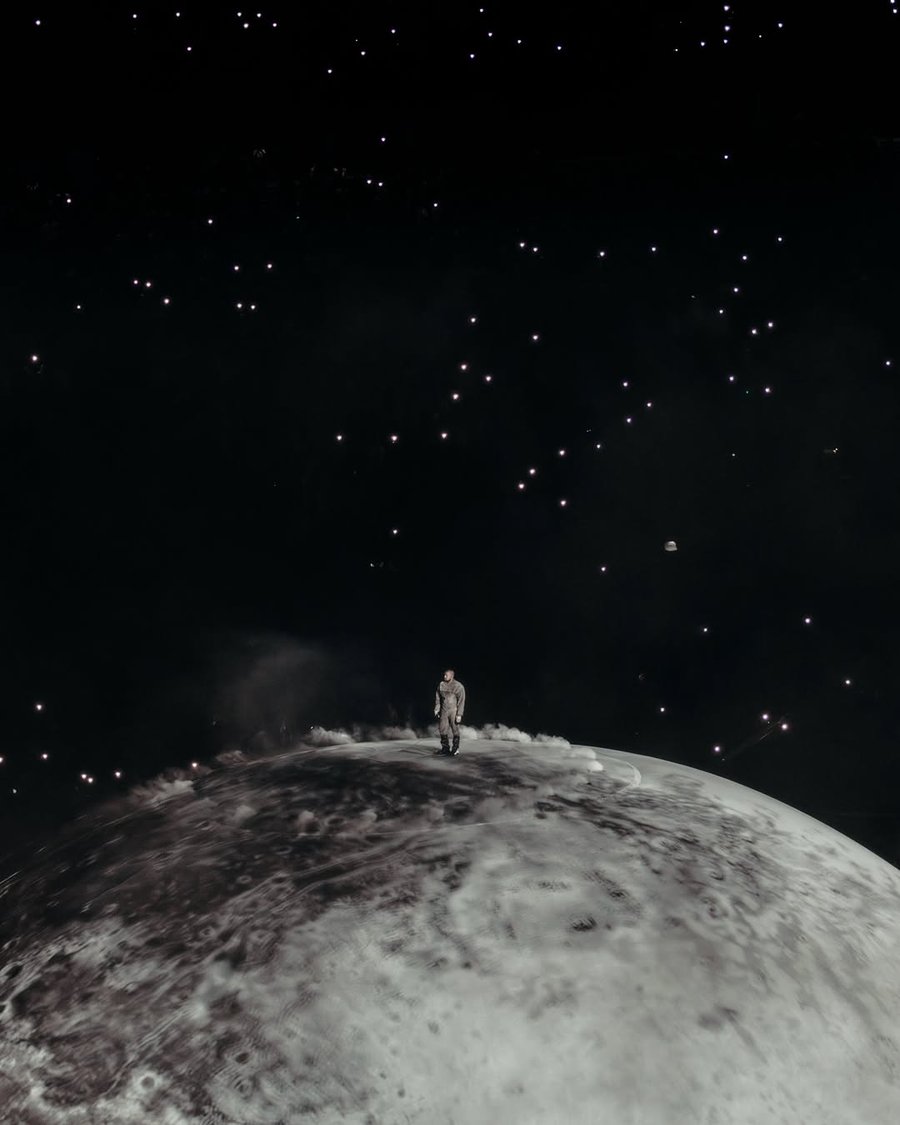
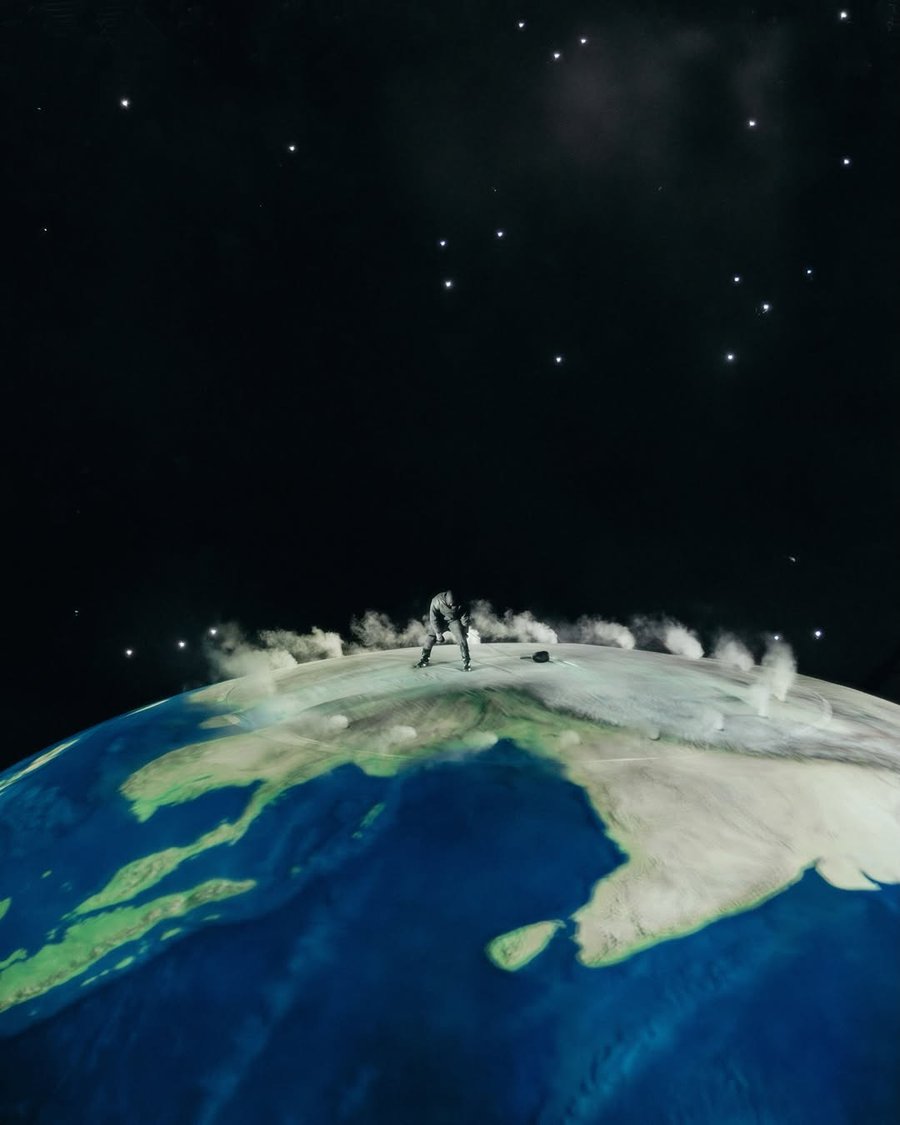
Perhaps the most potent force at play was the "Victory of the Hype." In an age defined by digital presence, the desire to witness a "historic moment" and to register that witness via Instagram and Stories, overrides almost any ideological concern. FOMO (Fear Of Missing Out) has become a more powerful ethical barrier than any social manifesto. The brutalist stage design and the dark aura of the performance provided the perfect backdrop for this digital registration, effectively silencing rational criticism through sheer visual authority.
WANC Journal does not seek to condemn nor defend. We merely register the contradiction. We observe the 118,000 who were there, and the millions who watched from afar, and we ask: In the future of culture, will aesthetics continue to provide a mask for the ethical, or is ethics merely a performance we enact until the next great spectacle arrives?
Photos: Ahmet Emre Saka

ÇELİŞKİNİN COĞRAFYASI: YE İSTANBUL VE STRATEJİK GRİ ALAN
30 Mayıs gecesi, İstanbul Atatürk Olimpiyat Stadyumu'nda 118.000 kişi bir araya geldi. Bu, sadece Ye olarak bilinen sanatçı için değil, şehrin kendisi için de tarihi bir rekordu. Avrupa ve İngiltere, sanatçının tartışmalı ve geniş çapta kınanan açıklamalarının ardından kapılarını ona kapatırken, İstanbul kapılarını sonuna kadar açtı. Bu olay bir konserden çok daha fazlasıydı; modern insanın durumuna dair derin bir "Kültürel Teşhis", küresel etik standartlar, yerel gerçeklikler ve estetik otoritenin karşı konulamaz çekimi arasındaki sürtünmenin canlı bir gösterisiydi.
TÜKETİMİN BİLİŞSEL AYRIŞMASI
İstanbul'daki kitle, bilişsel ayrışma (cognitive dissonance) üzerine büyüleyici bir çalışma alanı sundu. Konsere katılanların birçoğu, dijital platformlarında her gün sosyal adaleti, kadın haklarını ve etik hesap verebilirliği savunan bireylerle aynı kişiler. Ancak küresel bir ikonun yarattığı "hype" ile karşılaştıklarında, bu etik çerçevelerin anlık olarak askıya alındığı görüldü. Bu basit bir "iki yüzlülük" vakası değil; modern kültürel tüketimin yapısal bir özelliğidir. WANC çerçevesinde biz bunu "Askıya Alınmış Estetik" (Aesthetics of Suspension) olarak tanımlıyoruz. Estetik çıktı; müzik, sahne tasarımı, kültürel sermaye ve belirli bir "sofistike" eşiğine ulaştığında, ahlaki yargının yerini duyusal deneyimin aldığı bir vakum yaratıyor.
Soru, bu bireylerin "iki yüzlü" olup olmadığı değil, modern zihnin sanatı sanatçıdan nasıl bu kadar keskin bir şekilde ayırabildiğidir. Etik duruşumuz kimliğimizin temel bir parçası mı, yoksa sadece maliyeti düşük olduğunda takınmayı seçtiğimiz lüks bir aksesuar mı? İstanbul'da Ye'yi "iptal etmenin" (cancel) maliyeti, tarihi bir kültürel ana tanıklık etmenin hazzından daha yüksek görüldü.
STRATEJİK BİR LOOPHOLE OLARAK İSTANBUL
Bireysel tercihin ötesinde, bu olay İstanbul'un küresel kültürel peyzajda yükselen "Stratejik Gri Alan" rolünü vurguladı. Batılı kurumlar etik bir filtreleme mekanizması olarak giderek daha fazla "İptal Kültürü"ne güvenirken, İstanbul kendisini coğrafi ve kültürel bir "loophole" (boşluk/geçit) olarak konumlandırıyor. Şehir, Batı'nın dokunulmayacak kadar "radyoaktif" bulduğu ham ve tartışmalı enerjileri emen bir "Kültürel İletken" görevi görüyor.
Bu durum mutlaka bir başkaldırı değil, pragmatik bir iletkenlik halidir. İstanbul'un Doğu ile Batı arasında bir köprü olma şeklindeki tarihsel kimliği, küresel ahlaki hegemonyaların daha az katı olduğu bir alanda faaliyet göstermesine olanak tanıyor. Stadyum sadece bir mekan değil; küresel etik denetimin sınırlarının, 118.000 kişilik yerel bir talebin gerçekliğine karşı test edildiği bir laboratuvardı.
İMAJIN ZAFERİ
Belki de devredeki en güçlü güç, "Hype'ın Zaferi"ydi. Dijital varlığın tanımladığı bir çağda, "tarihi bir ana" tanıklık etme ve bu tanıklığı Instagram ve Stories üzerinden tescilleme arzusu, neredeyse her türlü ideolojik kaygının önüne geçiyor. FOMO (Gelişmeleri Kaçırma Korkusu), her türlü sosyal manifestodan daha güçlü bir etik bariyer haline geldi. Brütalist sahne tasarımı ve performansın karanlık aurası, rasyonel eleştiriyi saf görsel otoriteyle susturarak bu dijital tescil için mükemmel bir arka plan sağladı.
WANC Journal ne kınama ne de savunma peşindedir. Biz sadece çelişkiyi kayıt altına alıyoruz. Orada bulunan 118.000 kişiyi ve uzaktan izleyen milyonları gözlemliyor ve soruyoruz: Kültürün geleceğinde estetik, etik için bir maske sağlamaya devam mı edecek, yoksa etik sadece bir sonraki büyük gösteri gelene kadar sergilediğimiz bir performans mı?
Fotoğraflar: Ahmet Emre Saka
Sonraki Yazı
THE MONUMENTALIZATION OF THE ORDINARY: PHILIPPE STARCK’S LA ALMAZARA
Okumaya Devam Et
essay