essay — 09.06.2026
THE ARCHITECTURE OF GRATITUDE: HAMZA SHAH MIAN’S ABIMAL
Tarih09.06.2026
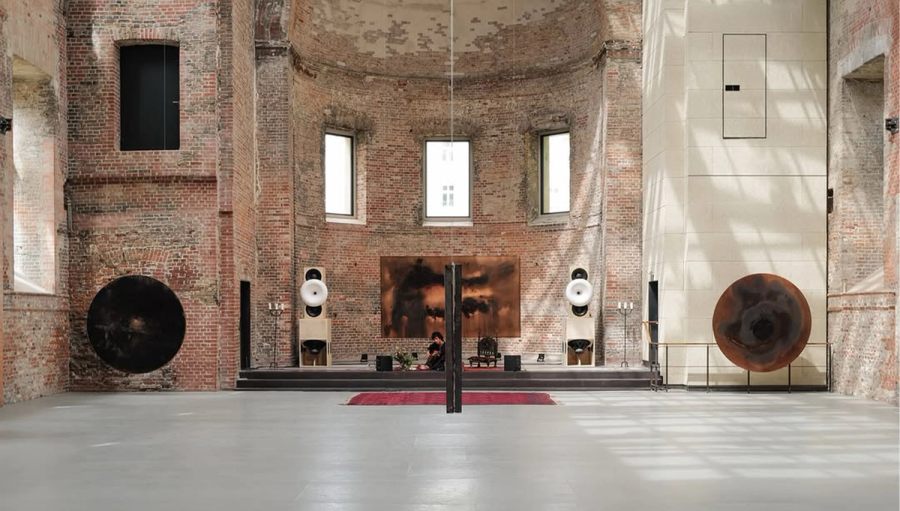
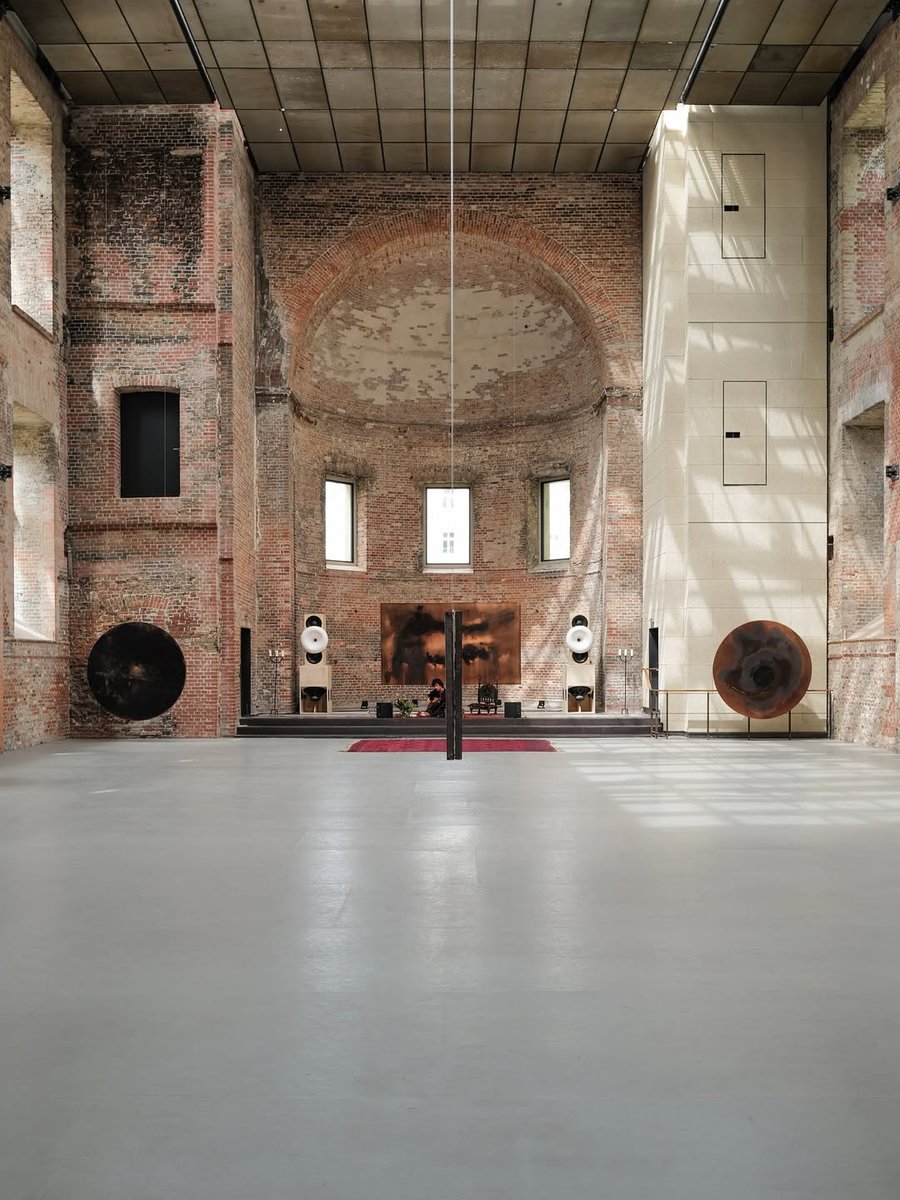
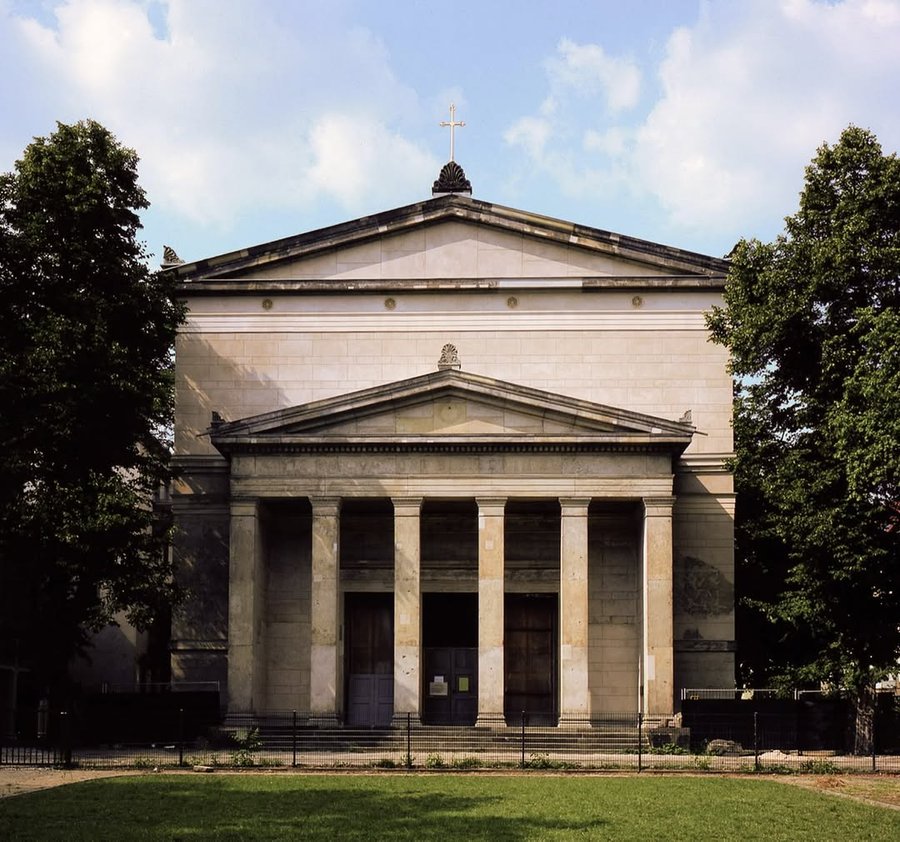
In the heart of Berlin, within the raw, un-restored walls of the St. Elisabeth-Kirche (built in 1832 by Schinkel), an immersive dialogue between sound, matter, and memory has unfolded. Hamza Shah Mian’s project, "Abimal," is not merely an exhibition; it is a profound "Kültürel Teşhis" (Cultural Diagnosis) of how spiritual rituals can be distilled into spatial material intelligence. By merging the ancient breath of the duduk with the organic textures of coffee and tea, Shah transforms a historic monument into a sanctuary of inner reflection.
MATERIAL INTELLIGENCE: THE PIGMENTS OF MEMORY
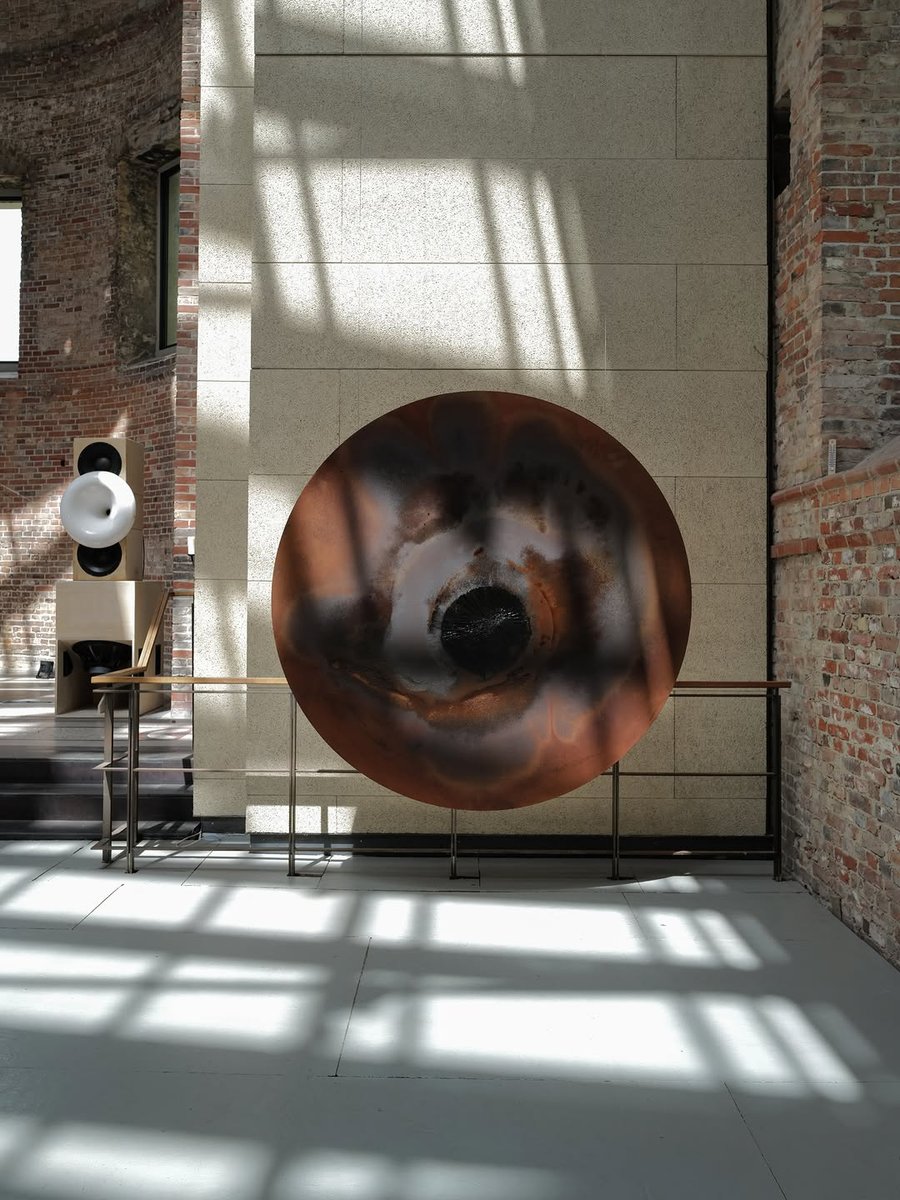
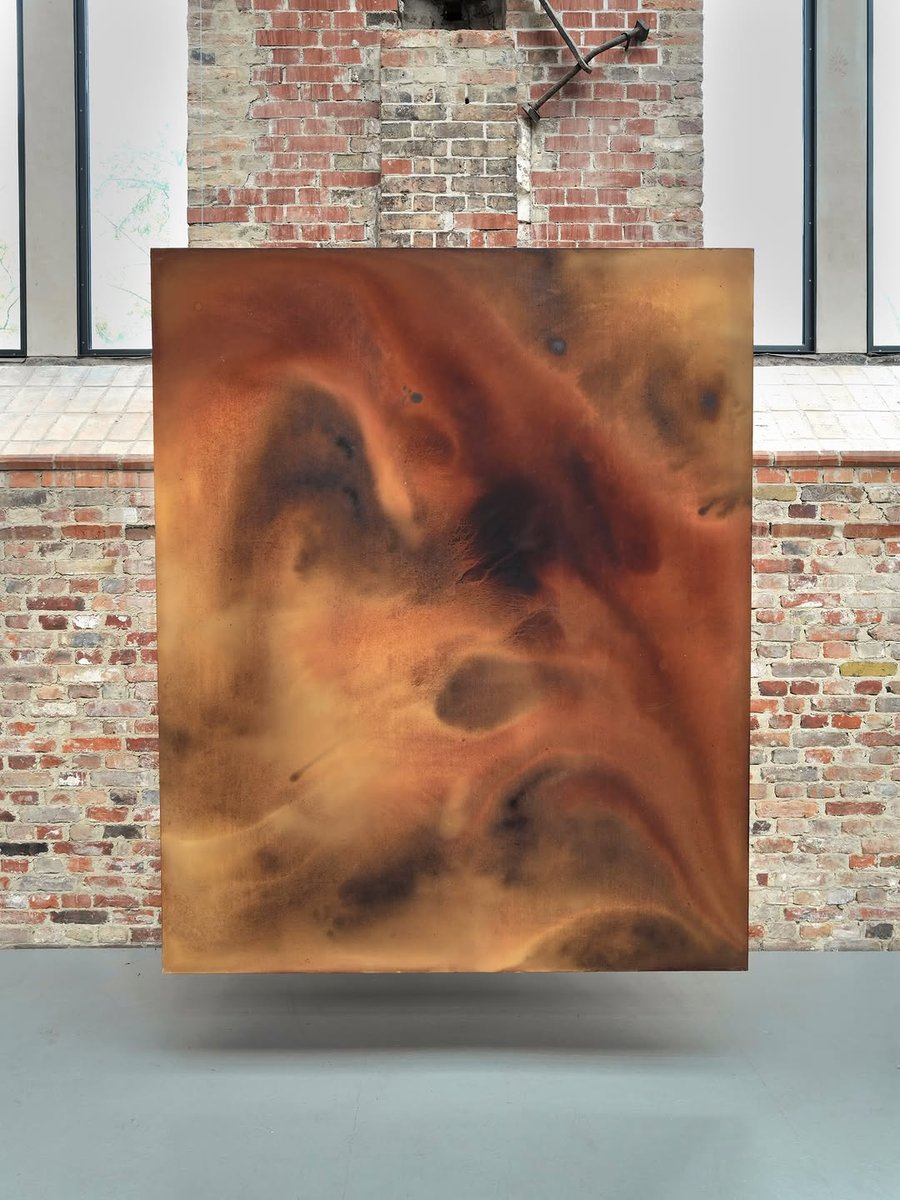
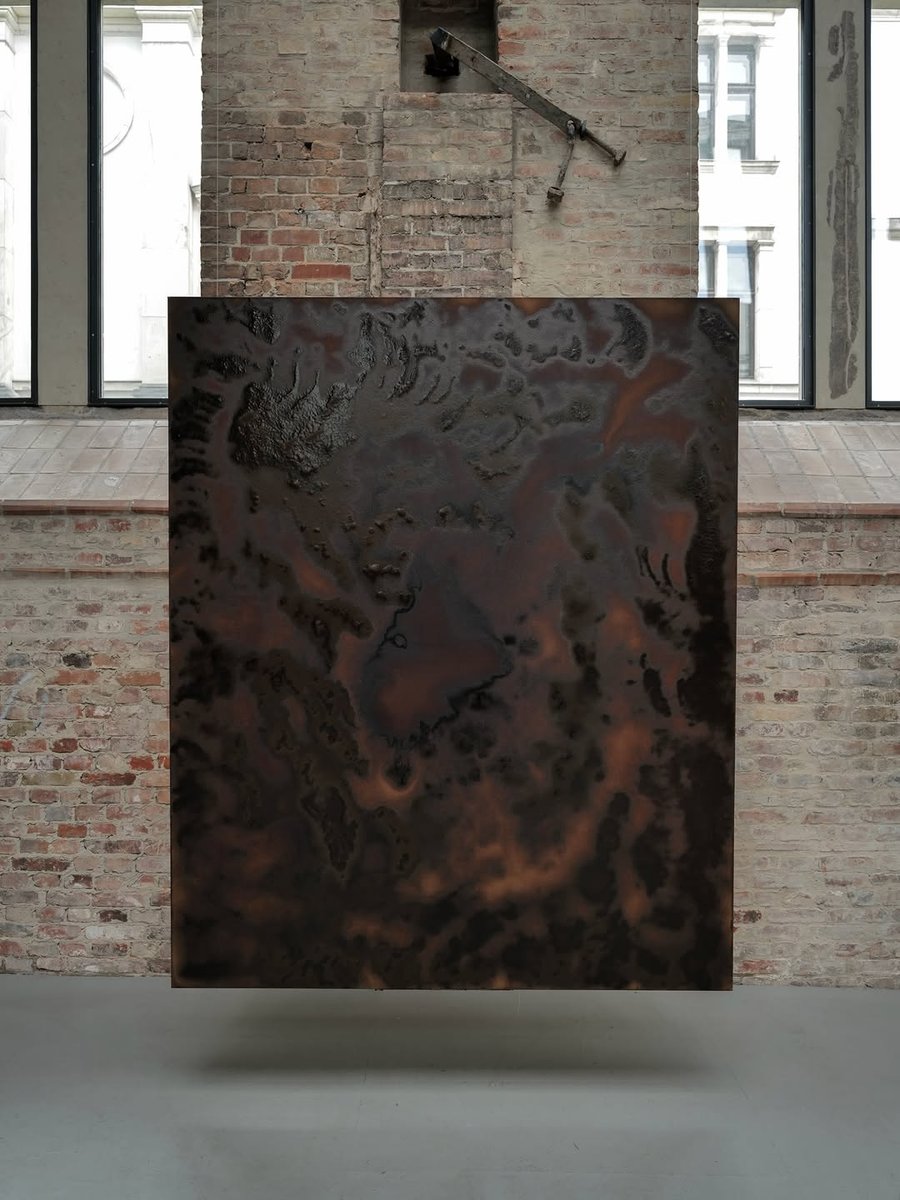
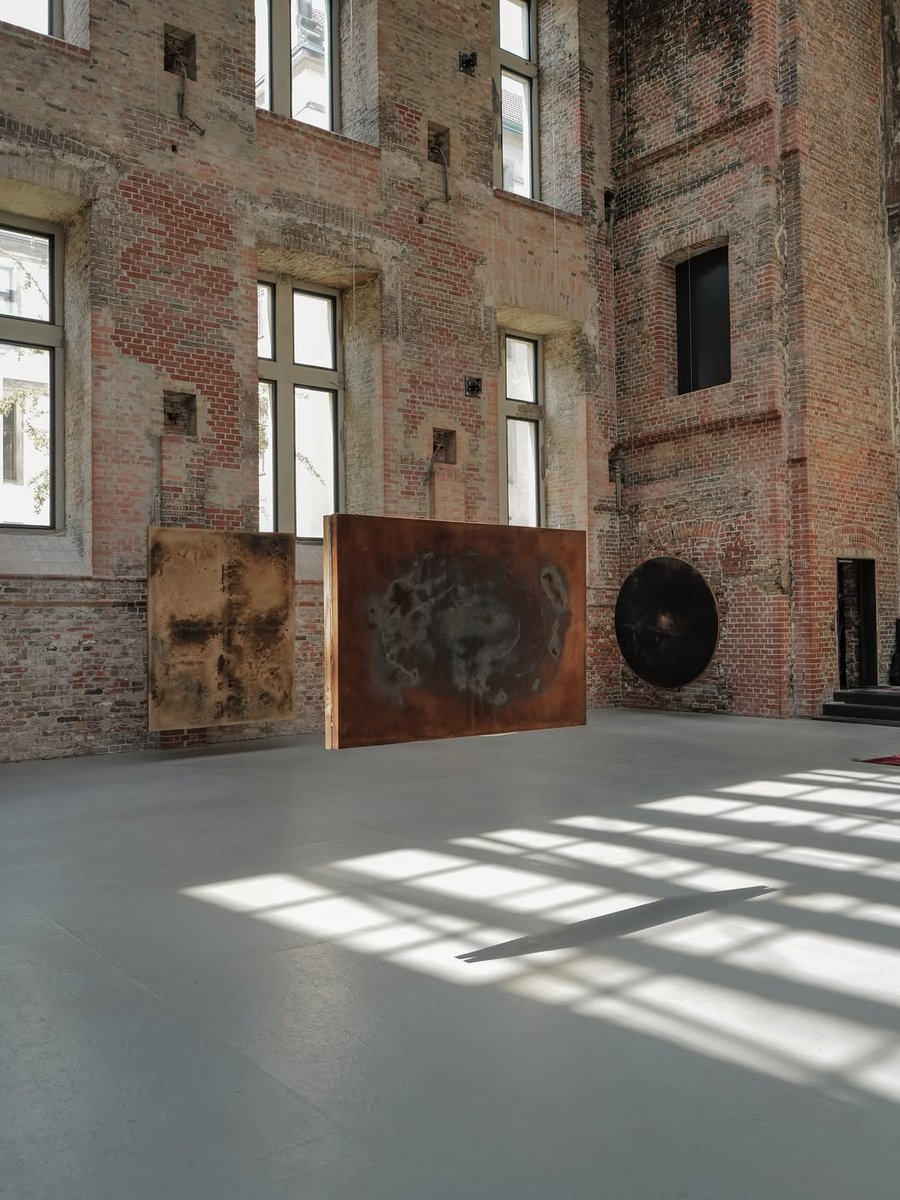
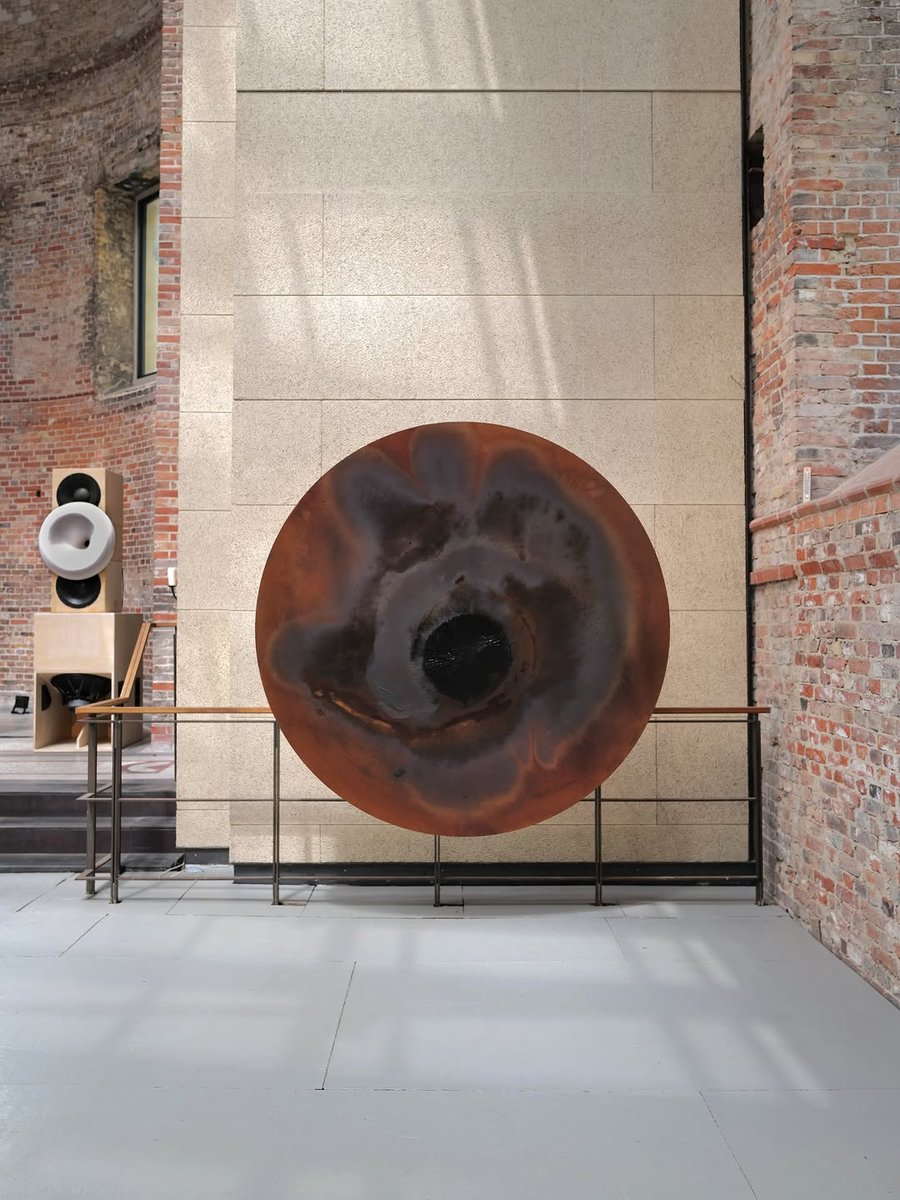
The centerpiece of Abimal is the installation titled "Mothership." Devasa large-format paintings float from the high ceilings of the church, acting as monuments to maternal resilience. In a masterful display of Material Intelligence, Shah uses coffee and tea as his primary pigments. These are not just colors; they are records of his mother’s daily rituals, coffee representing the morning energy of work, and tea symbolizing the evening’s earned rest. Combined with tree extracts like quebracho and cutch, these materials create a palette of beige and brown tones that serve as a "material antidote" to the city’s harshness.
This act of monumentalizing the ordinary, taking the humble substances of a kitchen and elevating them within a 19th-century sanctuary, is the essence of Raw Sophistication. Shah proves that the most profound stories are often hidden within the most common materials, waiting for the right structural context to be revealed.
SPATIAL DECONSTRUCTION: SCULPTING WITH SOUND
The acoustic space of St. Elisabeth is brought to life through a rare musical dialogue. Shah plays the duduk, a 3,000-year-old woodwind instrument, whose ancient frequencies resonate against the church’s exposed brickwork. This is Spatial Deconstruction at its finest: the sound does not just fill the space; it "re-builds" it. The music acts as an invisible architectural layer, bridging the gap between the material canvases and the celestial void of the church.
Accompanied by the polyphonic harmonies of the Bulgarian Voices Berlin women’s choir, the sonic environment becomes a bridge between the material and the spiritual. The archaic Bulgarian singing grounds the ethereal experience in a communal, human reality, echoing the theme of maternal power that flows through the entire project.
THE RITUAL OF FANA: BEYOND THE INTELLECTUAL MIND
At its core, Abimal is a concept that posits a work of art is only truly complete in the eye and heart of the viewer. Shah’s creative process is a spiritual necessity, involving rituals of fasting and trance, a quest for fana, the dissolution of the ego. By detaching himself from consumption, he becomes a vessel for the work of his ancestors, turning the act of creation into a lifelong meditation.
WANC Journal observes Abimal as a testament to the power of "Visual and Sonic Silence." In a world obsessed with digital over-exposure, Hamza Shah Mian invites us to cross the threshold of the intellectual mind and enter the realm of the invisible. The ultimate masterpiece is not the painting itself, but the subjective, plural truth discovered within the space it creates.
ŞÜKRANIN MİMARİSİ: HAMZA SHAH MIAN VE ABIMAL
Berlin’in kalbinde, St. Elisabeth-Kirche’nin (1832, Schinkel tasarımı) restore edilmemiş, ham duvarları arasında ses, madde ve bellek arasında derin bir diyalog yükseliyor. Hamza Shah Mian’ın "Abimal" projesi, sadece bir sergi değil; ruhani ritüellerin mekansal materyal zekaya nasıl damıtılabileceğine dair bir "Kültürel Teşhis" niteliğinde. Sanatçı, 3.000 yıllık duduk sesini kahve ve çayın organik dokularıyla birleştirerek, tarihi bir anıtı içsel bir tefekkür alanına dönüştürüyor.
MATERYAL ZEKA: BELLEĞİN PİGMENTLERİ
Abimal’in merkezinde, "Mothership" (Anagemi) başlıklı enstalasyon yer alıyor. Kilisenin yüksek tavanlarından sarkan devasa tuvaller, anne direncinin birer anıtı olarak boşlukta süzülüyor. Shah, üstün bir Materyal Zeka örneği sergileyerek birincil pigmentleri olarak kahve ve çay kullanıyor. Bunlar sadece renk değil; annesinin günlük ritüellerinin birer kaydı: Sabahın çalışma enerjisini temsil eden kahve ve akşamın kazanılmış huzurunu simgeleyen çay. Bu malzemeler, ağaç özleriyle birleşerek şehrin sertliğine karşı "materyal bir panzehir" sunan bej ve kahverengi bir palet oluşturuyor.
Sıradan olanı anıtsallaştıran bu eylem, mutfağın mütevazı maddelerini alıp 19. yüzyıldan kalma bir kutsal mekanda yüceltir. Bu Ham Sofistike (Raw Sophistication) felsefesinin özüdür. Shah, en derin hikayelerin genellikle en yaygın malzemelerin içinde gizlendiğini ve ortaya çıkmak için doğru yapısal bağlamı beklediğini kanıtlıyor.
MEKANSAL DEKONSTRÜKSİYON: SESLE HEYKELLEŞTİRME
St. Elisabeth’in akustik alanı, nadir bir müzikal diyalogla hayat buluyor. Shah, antik frekansları kilisenin çıplak tuğla dokusunda yankılanan 3.000 yıllık bir üflemeli enstrüman olan duduk çalıyor. Bu, en saf haliyle bir Mekansal Dekonstrüksiyondur: Ses sadece alanı doldurmakla kalmıyor, onu adeta "yeniden inşa ediyor". Müzik, maddi tuvaller ile kilisenin göksel boşluğu arasındaki boşluğu dolduran görünmez bir mimari katman görevi görüyor.
Bulgarian Voices Berlin kadın korosunun polifoni harmanlarıyla birleşen bu ses evreni, maddi olanla ruhani olan arasında bir köprü kuruyor. Arkaik Bulgar ilahileri, bu ruhani deneyimi kolektif bir insan gerçekliğine oturtarak projenin merkezindeki anne gücü temasını yankılıyor.
FANA RİTÜELİ: ENTELEKTÜEL ZİHNİN ÖTESİNDE
Temelde Abimal, bir sanat eserinin ancak izleyicinin gözünde ve kalbinde gerçekten tamamlandığını savunan bir kavramdır. Shah’ın yaratıcı süreci, oruç ve trans ritüellerini içeren ruhani bir zorunluluktur. Sufi geleneğindeki fana (egonun yok oluşu) arayışıdır. Sanatçı, kendisini tüketimden arındırarak atalarının mirası için bir aracıya dönüşüyor ve yaratım eylemini yaşam boyu sürecek bir meditasyona çeviriyor.WANC Journal, Abimal’i "Görsel ve İşitsel Sessizliğin" gücüne bir övgü olarak kaydediyor. Dijital aşırı-sergileme (over-exposure) takıntılı bir dünyada Hamza Shah Mian, bizi entelektüel zihnin eşiğini geçmeye ve görünmezin alemine girmeye davet ediyor. Nihai başyapıt tablonun kendisi değil, onun yarattığı alanın içinde keşfedilen subjektif ve çoğul hakikattir.
Sonraki Yazı
THE SCULPTURAL NOSTALGIA: RANZE ZHANG AND THE LOGISTICS OF ROMANCE
Okumaya Devam Et

essay