essay — 16.10.2026
TABANLIKTAN DİYAFRAMA: BIRKENSTOCK’UN BERLİN’DEKİ SES MİMARİSİ
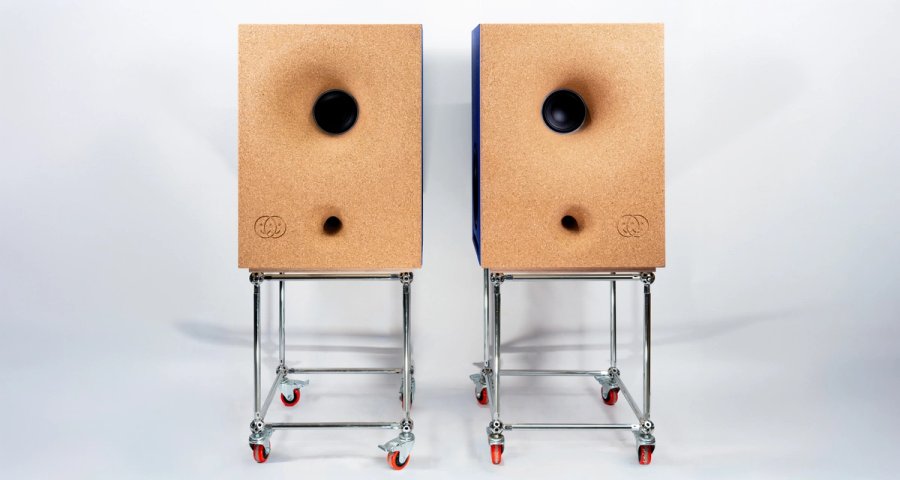
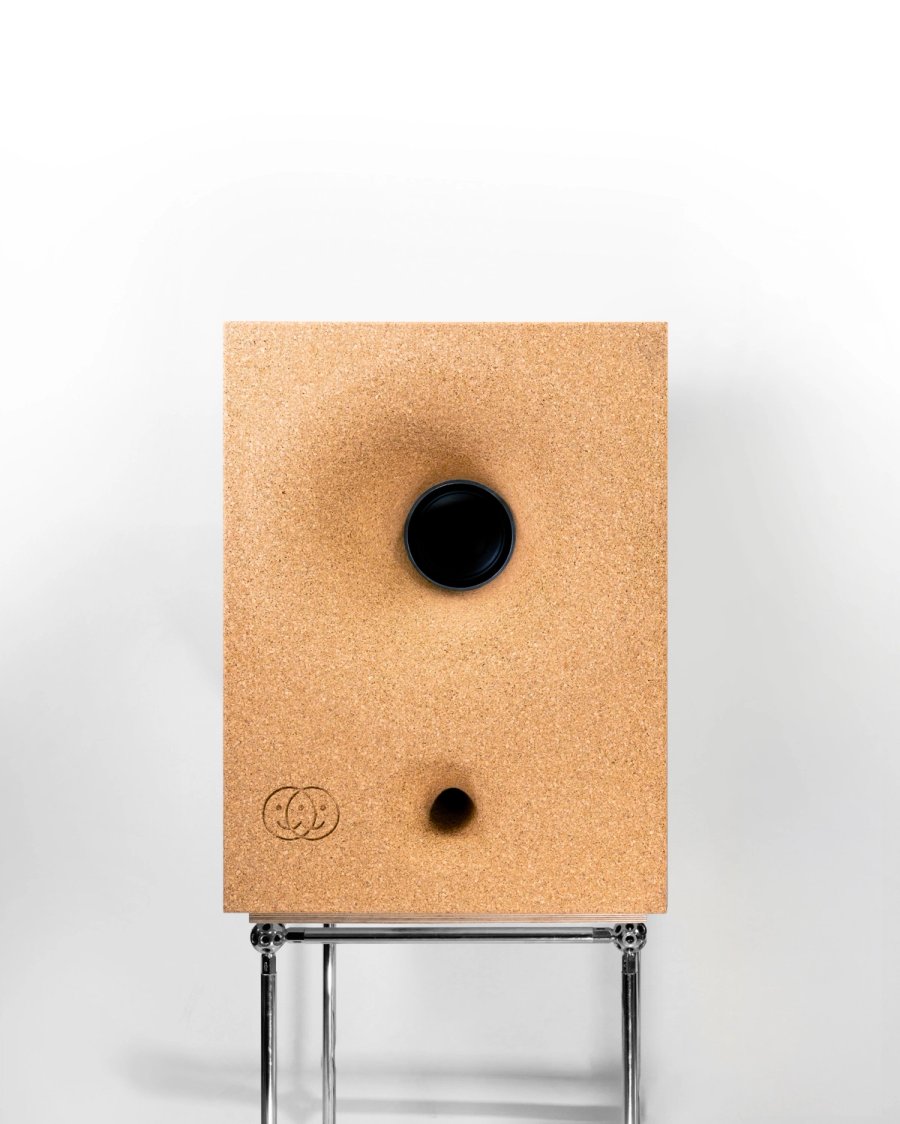
Birkenstock’un Berlin-Mitte’deki yeni mağazasında ses, sonradan eklenmiş bir atmosfer katmanı gibi davranmıyor. Münzstraße 20’de açılan mağaza için H.A.N.D. HiFi tarafından özel olarak üretilen dört noktalı sistem, mekânın malzeme mantığının içine yerleştirilmiş durumda. Portekiz mantarından işlenen horn ve faceplate parçaları, hoparlörün üzerinde tanınabilir bir doku olarak duruyor; fakat işlevleri görüntüyle sınırlı değil. Mantar burada sesi biçimlendiriyor. Birkenstock’un ayak tabanında bedeni taşıyan, basıncı dağıtan ve yürüyüşe karakter veren malzeme; bu kez frekansların yönünü ve yayılımını düzenleyen akustik bir yüzeye dönüşüyor. Aynı malzeme, bedensel konfor ile işitsel yönlendirme arasında beklenmedik bir süreklilik kuruyor.
MANTARIN İKİNCİ HAYATI
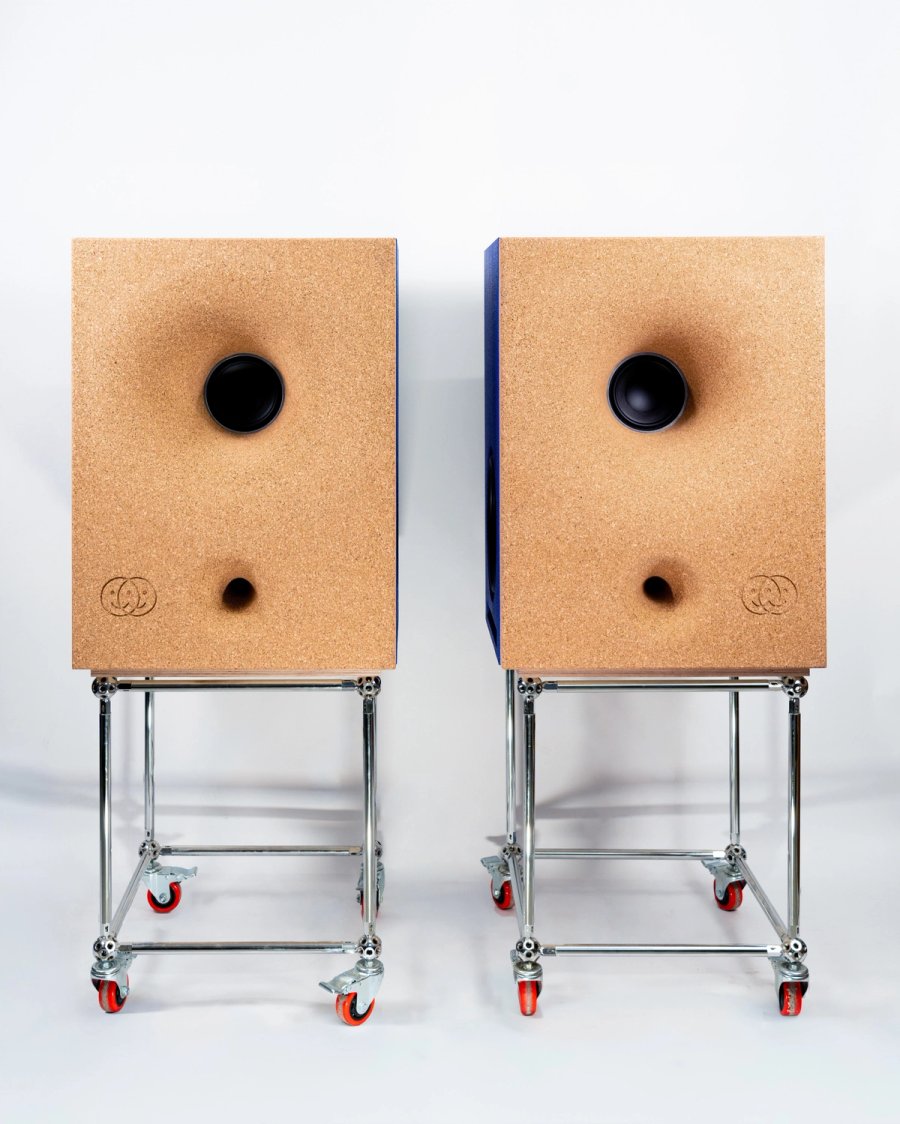
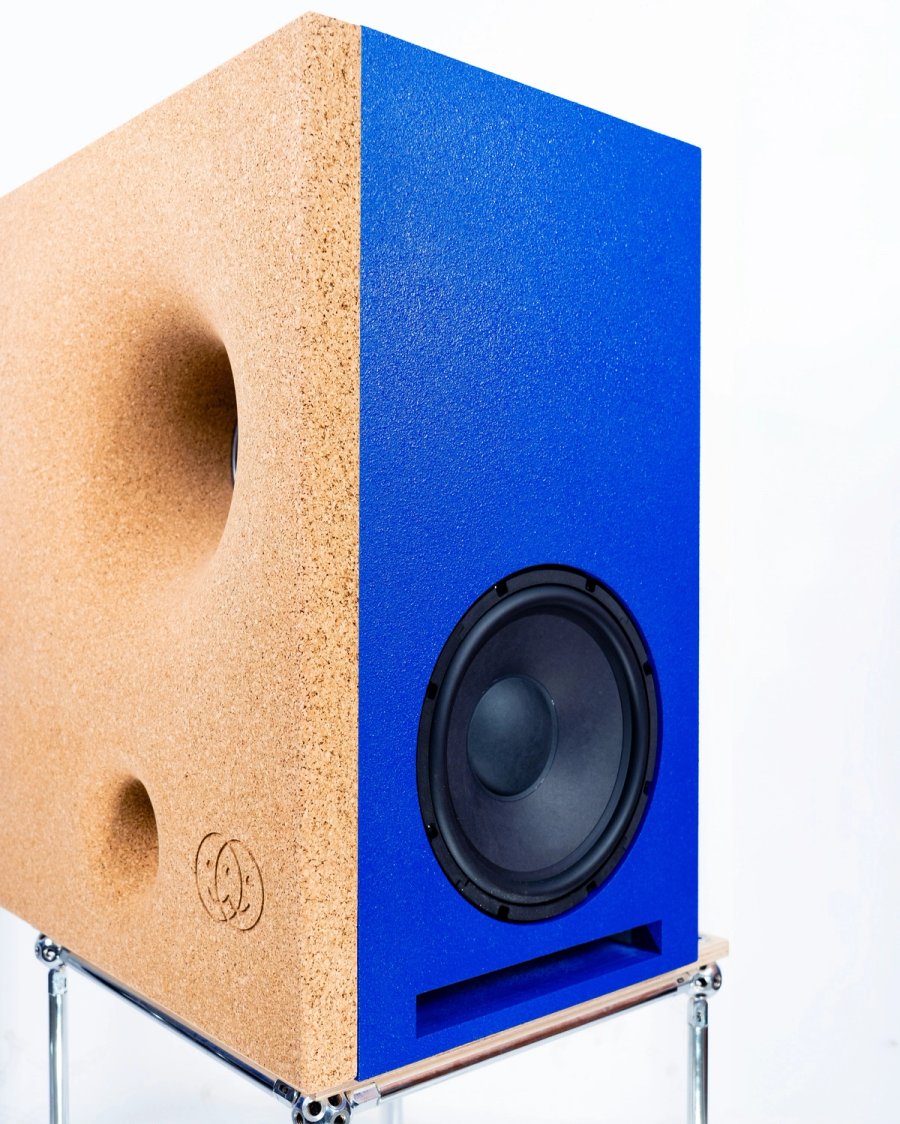
H.A.N.D. HiFi’nin ana sistemi, iki adet 12 inç woofer, 6.5 inç midrange woofer ve 1 inç compression driver içeren üç yollu bir tasarıma sahip. Midrange ve compression driver, yekpare Portekiz mantarı bloklarından subtractive CNC milling yöntemiyle işlenen horn ve ön yüz plakalarına yükleniyor. Bu ayrıntı, projenin asıl ağırlık merkezini oluşturuyor.
Mantar kabinin üzerine yapıştırılmış bir kaplama değil. Sonradan eklenmiş, markayı hatırlatsın diye seçilmiş bir yüzey de değil. Katı bir bloktan çıkarılarak sesin geçeceği geometrinin kendisine dönüştürülüyor. Malzemenin geçmişi, biçimi ve teknik davranışı aynı parçanın içinde birleşiyor.
Birkenstock’un ayak tabanında mantarın değeri, doğrudan bedenle temasında ortaya çıkıyor. Malzeme, ayağın hareketine uyum sağlayan bir taşıyıcı olarak çalışıyor. Hoparlördeki horn ise bedenin yerine ses dalgasını karşılıyor; onu yönlendiriyor, dağıtıyor ve mekâna bırakıyor. Biri yürüyüşün basıncını, diğeri işitmenin basıncını düzenliyor.
Bu paralellik, yüzeysel bir marka benzetmesinden daha ileri gidiyor çünkü mantar iki sistemde de gerçek bir görev üstleniyor. Logoyu akustik forma yapıştırmak yerine, markanın en tanınabilir maddi kodlarından biri yeni bir mühendislik bağlamına taşınıyor.
SERİ ÜRETİMİN KARŞISINDA TEKİL BİR SES
H.A.N.D. HiFi kendisini seri üretilen, “off-the-shelf” ses sistemlerinin hâkim olduğu güncel ses ortamına karşı konumlandırıyor. Kendi yaklaşımını, bulunduğu mekânın özgünlüğüne cevap veren özel tasarım hi-fi çözümleri üzerinden tarif ediyor. Berlin mağazasındaki sistem de bu tavrın somut bir örneği.
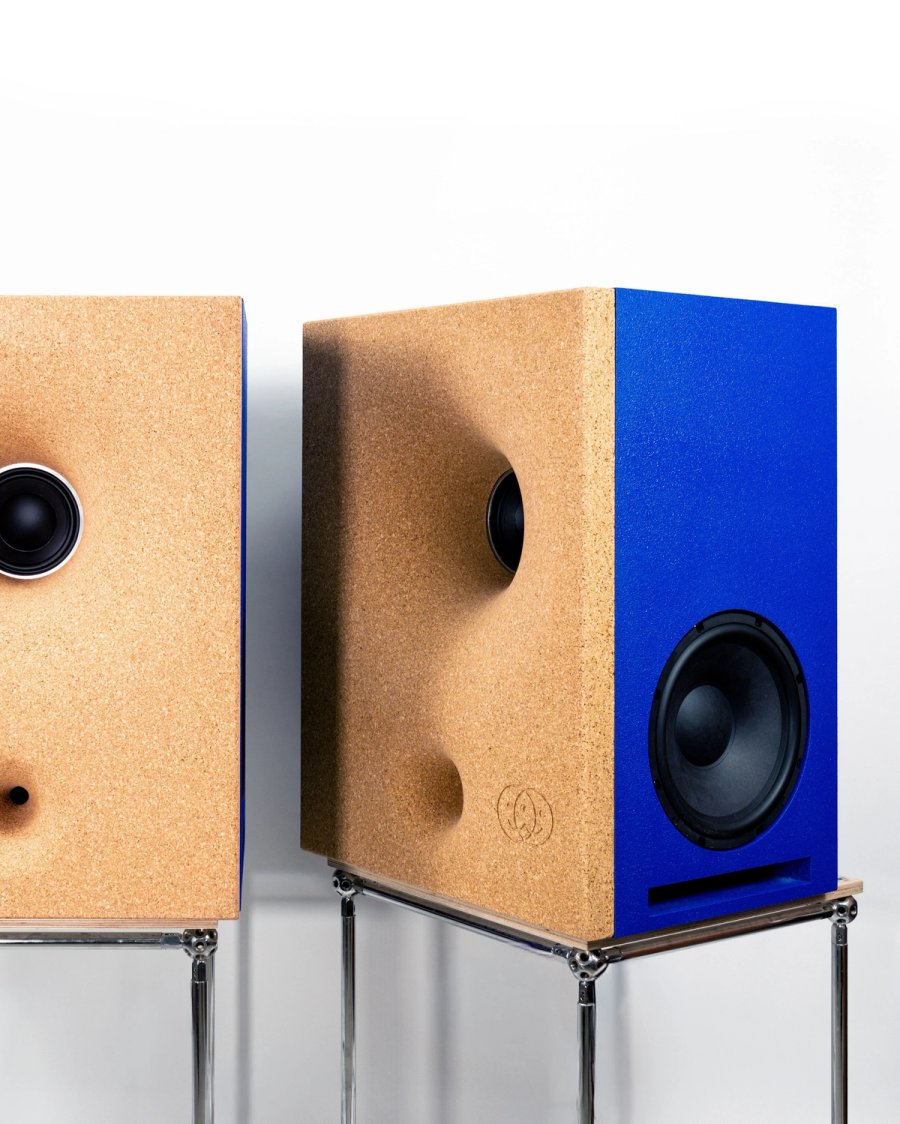
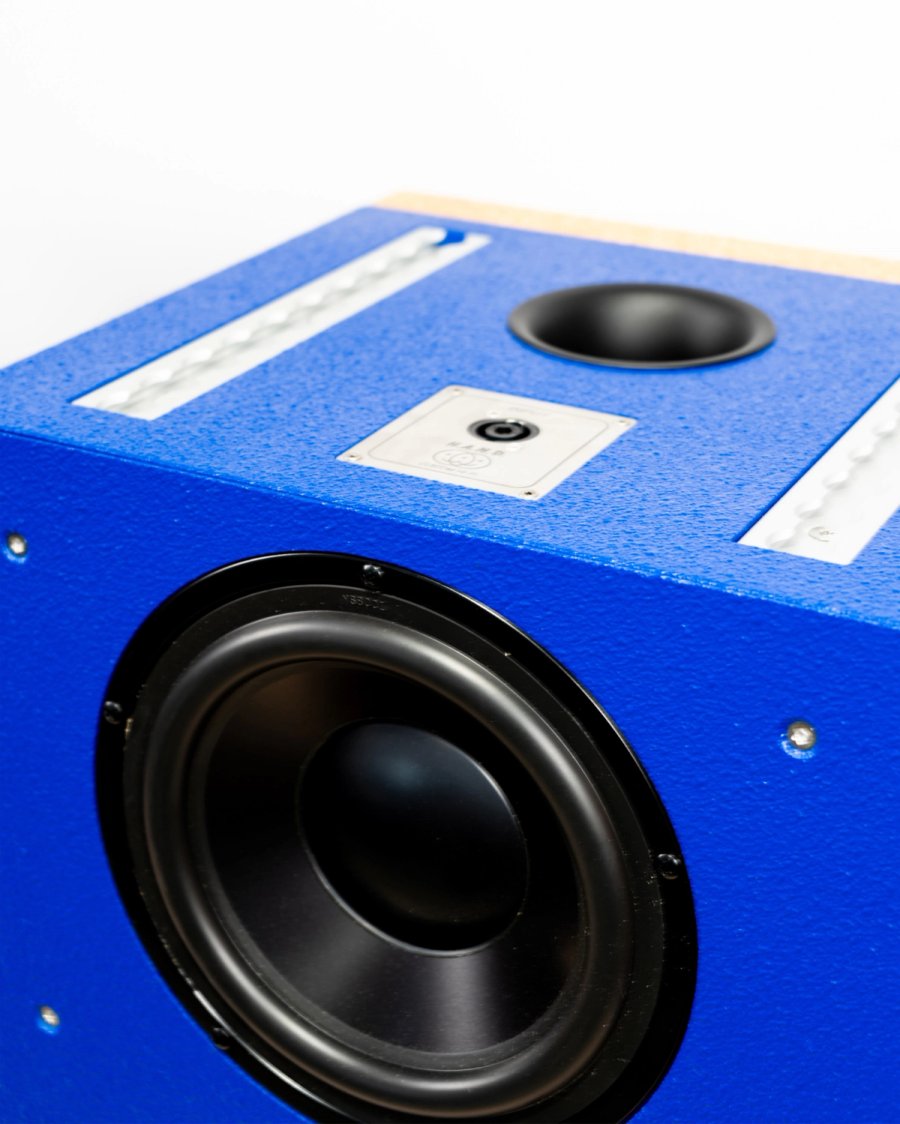
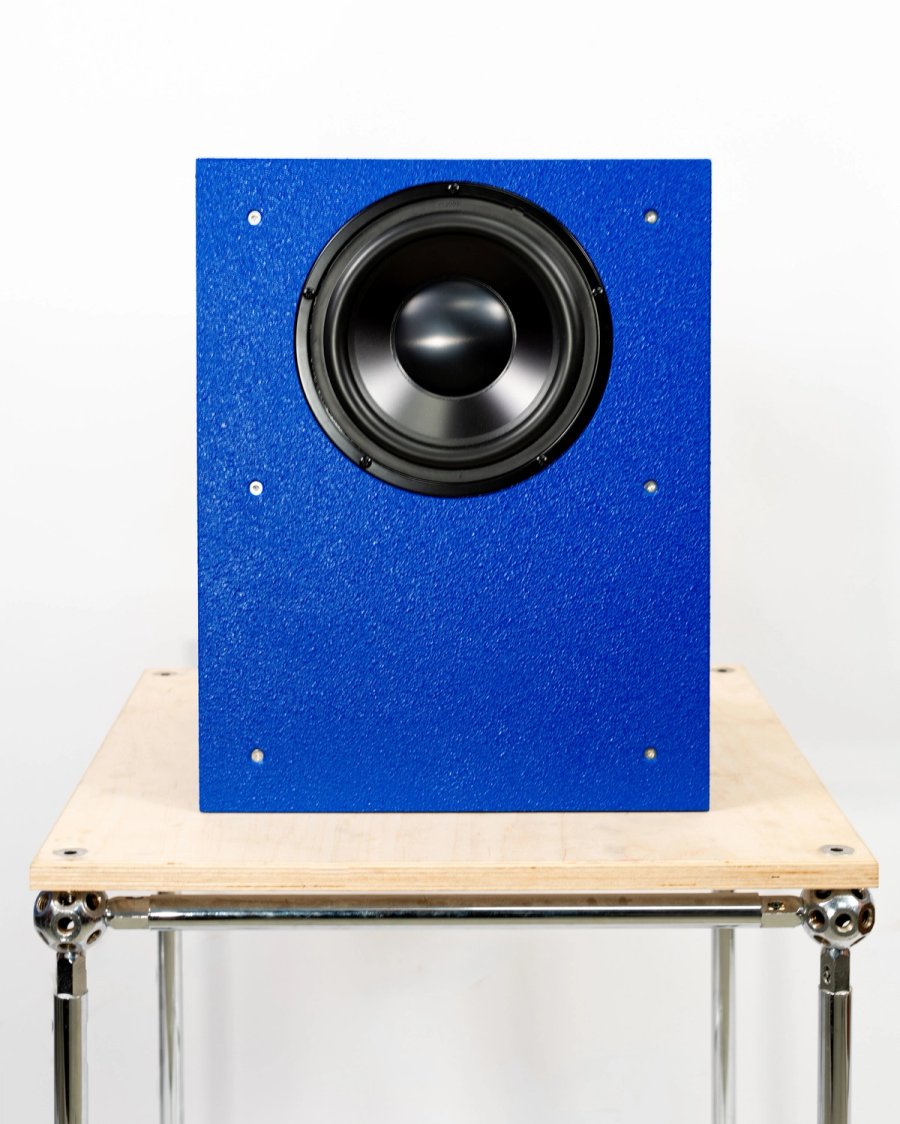
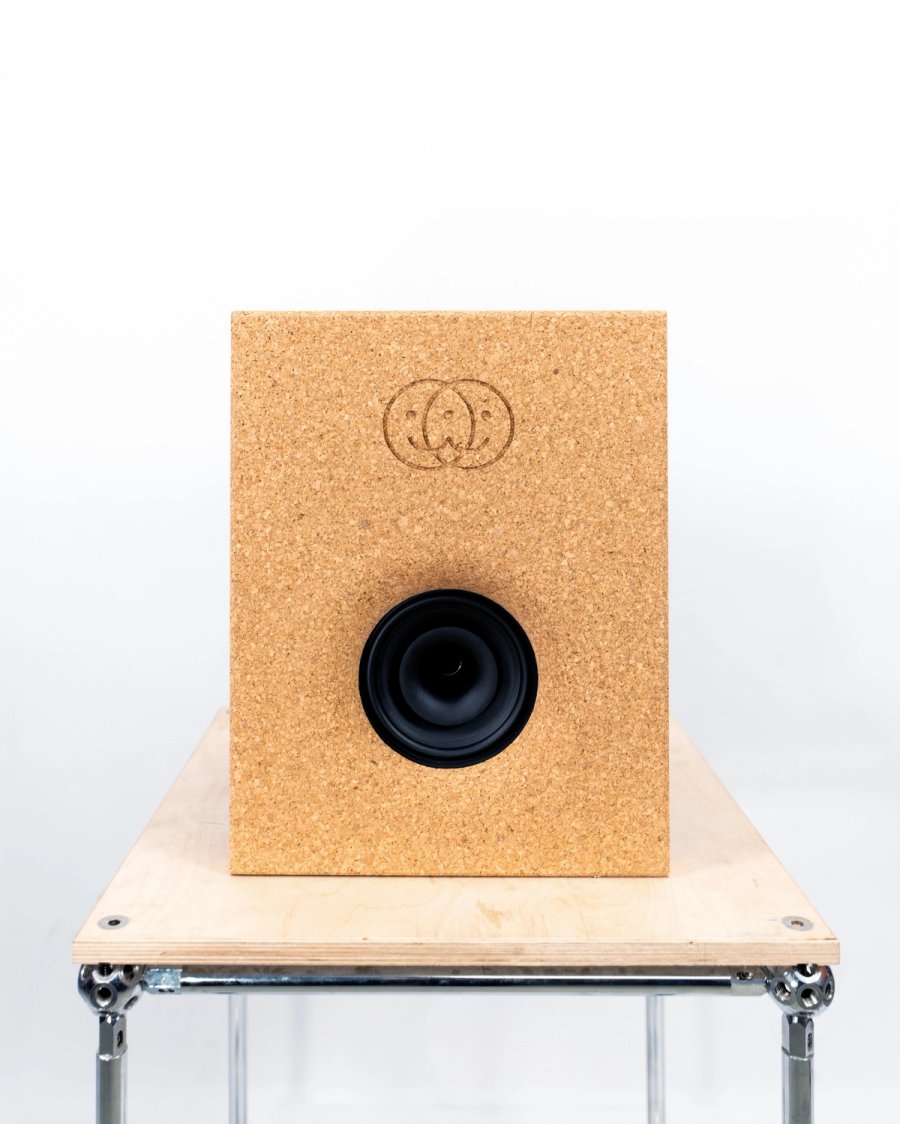
Ana hoparlörler 150 litrelik ported kabinler içinde çalışıyor. İkincil hoparlörler ise 50 litrelik ported kabinlerde, 6.5 inç coaxial sürücü, mantar waveguide/faceplate ve arkaya bakan 8 inç woofer ile tamamlanıyor. Dört noktalı yerleşim, mağazayı tek bir ses kaynağına bakan bir dinleme odasına çevirmiyor. Ses, mekânın farklı bölgelerine dağılıyor; ziyaretçi bir hoparlörün karşısında durmak zorunda kalmadan müziğin içinde hareket ediyor.
Burada “müziğin içinde hareket etmek” ifadesini büyük bir atmosfer vaadi olarak değil, doğrudan yerleşim kararının sonucu olarak okumak gerekir. Sistem, bir sesin tek bir merkezden patlamasını değil, mağaza boyunca dengeli biçimde dağılmasını hedefliyor. Sesin mekânsal davranışı, mağazanın dolaşım planına eklemleniyor.
Birkenstock’un Berlin mağazası da bu tekillik fikrini başka malzemelerle destekliyor: Sıcak tonlu açık beton, DDR döneminin sokak saksılarını hatırlatan yosun kaplı elemanlar, jüt ve doğal ahşap, el üflemesi camdan footbed biçimli avizeler. H.A.N.D. sisteminin mantarı bu repertuara yalnızca görsel bir eşleşme olarak katılmıyor; aynı markasal malzemeyi işitsel bir görevle yeniden tanımlıyor.

SOUND METAPHORS VE MAĞAZANIN SESLİ EŞİĞİ
Açılış müziğinin kürasyonu, Berlin’in plak dükkânı ve label’ı Sound Metaphors’a emanet edilmiş. Bu seçim, mağazadaki sesin rastgele bir arka plan müziği olmadığını gösteriyor. Sound Metaphors; techno, house, disco, ambient, electro ve dub gibi türlerin plaklar üzerinden dolaştığı, Berlin’in seçici müzik kültürüyle bağlantılı bir oluşum. H.A.N.D. HiFi’nin kurucusunun Sound Metaphors ile kurduğu ilişki de sistemin arkasındaki ses çevresini güçlendiriyor.
Böylece mağazada üç ayrı Berlin okuması yan yana geliyor. Birincisi, Birkenstock’un 250 yılı aşan ayakkabı ve ayak sağlığı mirası. İkincisi, beton, yosun, jüt, cam ve doğal ahşap üzerinden kurulan yerel malzeme dili. Üçüncüsü, Sound Metaphors’un analog ve seçici müzik kültürü.
Bu üç katmanın ortak noktası, hızla tüketilen bir fon üretmemeleri. Mantarın CNC ile işlenmesi, camın elde üflenmesi, bir plağın seçilmesi ya da bir ayakkabı tabanının yıllarca kullanılmak üzere biçimlendirilmesi; her biri malzemeye zaman ayıran süreçler. Mağaza bu süreçleri tek bir stil altında eritmek yerine yan yana tutuyor.
Birkenstock’un “Grounded in Culture” olarak tarif ettiği mağaza fikri de en ikna edici hâline ses sistemi üzerinden ulaşıyor. Çünkü kültürel referans, yalnızca Berlin’i hatırlatan yosunlu saksılar veya ayak tabanı biçimli avizelerle kurulmaz. Bir markanın kendi malzemesini başka bir üreticinin teknik dünyasına bırakması, onu başka bir işleve açması ve ortaya çıkan nesnenin o işlevle birlikte yaşamasına izin vermesi gerekir.
WANC JOURNAL ÖZEL NOTU
Berlin’deki Birkenstock mağazasında mantar, markanın geçmişini süsleyen bir yüzey olarak kalmıyor. H.A.N.D. HiFi onu yekpare bloktan oyulmuş bir akustik geometrinin içine taşıyor. Ayak tabanını biçimlendiren malzeme, bu kez sesin yönünü düzenliyor; konfor fikri bedenden kulağa geçiyor. Sistemin asıl değeri, Birkenstock logosunu sese çevirmesinde değil, markanın malzeme hafızasını yeni bir teknik görev üstlenebilecek kadar esnetmesinde yatıyor. Mağazada müzik açılmıyor; markanın tanıdık maddesi, sesin nasıl dolaşacağını yeniden öğreniyor.

FROM FOOTBED TO DIAPHRAGM: BIRKENSTOCK’S SOUND ARCHITECTURE IN BERLIN
In Birkenstock’s new Berlin-Mitte store, sound does not behave like an atmospheric layer added after the architecture is complete. The four-point system custom-built by H.A.N.D. HiFi for Münzstraße 20 belongs to the store’s material logic. Horn and faceplate components made from Portuguese cork sit visibly within the loudspeakers, but their role is not visual alone.
The cork shapes sound. The material that carries the body, distributes pressure and gives Birkenstock’s footbed its character becomes an acoustic surface that directs and disperses frequencies. A material associated with bodily comfort establishes an unexpected continuity with the physical behaviour of listening.
THE SECOND LIFE OF CORK
H.A.N.D. HiFi’s main system uses a three-way design with two 12-inch woofers, a 6.5-inch midrange woofer and a 1-inch compression driver. The midrange and compression driver are loaded with horn and frontplate components subtractively CNC-milled from solid blocks of Portuguese cork. This detail forms the project’s real centre of gravity.
The cork is not a veneer applied to the cabinet. It is not a surface selected simply to remind visitors of the brand. It is removed from a solid block until it becomes the geometry through which the sound travels. The material’s history, shape and technical behaviour converge within the same piece.
In the Birkenstock footbed, cork matters through its contact with the body. It works as a carrier that responds to the movement of the foot. In the loudspeaker, the horn receives the movement of the sound wave, directing and releasing it into the room. One regulates the pressure of walking; the other regulates the pressure of hearing.
The parallel goes beyond a superficial brand reference because cork performs a real task in both systems. Instead of attaching a logo to an acoustic form, one of the brand’s most recognisable material codes is moved into a new engineering context.
A SINGULAR SOUND AGAINST THE OFF-THE-SHELF
H.A.N.D. HiFi positions itself in reaction to an audio landscape dominated by mass-produced, off-the-shelf systems. Its approach is based on custom-designed Hi-Fi solutions that respond to the character of the spaces they inhabit. The Berlin store offers a precise example of this position.
The main speakers operate in 150-litre ported cabinets. The secondary speakers use 50-litre ported cabinets with a 6.5-inch coaxial driver, a cork waveguide/faceplate and a rear-facing 8-inch woofer. The four-point arrangement does not turn the store into a listening room organised around one sound source. Sound is distributed through different areas, allowing visitors to move through the music rather than stand in front of a single speaker.
This should be understood as a result of placement, not as a broad promise of atmosphere. The system is designed to distribute sound across the store rather than project it from one centre. Its acoustic behaviour becomes part of the circulation plan.
The store supports this idea of singularity through other materials: warm exposed concrete, moss-covered elements recalling planters from the DDR era, jute and natural wood, and hand-blown glass chandeliers shaped like the Birkenstock footbed. The cork in the H.A.N.D. system does not join this repertoire as a visual match alone. It redefines the same brand material through an auditory task.
SOUND METAPHORS AND THE AUDIBLE THRESHOLD OF THE STORE
The opening soundtrack was curated by Sound Metaphors, the Berlin record shop and label associated with a selective culture of techno, house, disco, ambient, electro and dub on vinyl. The choice makes clear that sound in the store is not incidental background. The relationship between H.A.N.D. HiFi and Sound Metaphors also strengthens the system’s wider musical context.
Three readings of Berlin meet in the store. First, Birkenstock’s history of shoemaking and foot health extending over 250 years. Second, a local material language formed through concrete, moss, jute, glass and natural wood. Third, the analogue and carefully selected music culture represented by Sound Metaphors.
Their shared quality is a refusal of instant consumption. CNC-milling cork, blowing glass by hand, selecting a record and shaping a footbed for years of use are all processes that allow time to enter the material. The store does not melt these processes into one style; it holds them next to one another.
Birkenstock’s description of the store as “Grounded in Culture” reaches its most convincing form through the sound system. Cultural reference is not established only through moss-covered planters that recall Berlin or chandeliers shaped like footbeds. It also depends on a brand allowing its material to enter another maker’s technical world, assigning it a new function and letting the resulting object live according to that function.
WANC JOURNAL SPECIAL NOTE
In Birkenstock’s Berlin store, cork does not remain a surface decorating the brand’s past. H.A.N.D. HiFi carries it into an acoustic geometry carved from a solid block. The material that shapes the footbed now directs sound; the idea of comfort moves from the body to the ear. The system’s value lies less in turning a Birkenstock logo into sound than in stretching the brand’s material memory far enough to give it a new technical task. Music is not simply switched on in the store. The brand’s familiar material learns how sound can move.

Sonraki Yazı
DUCK THE NORM: BİR KÖYÜN HAFIZASINI OLTALAMAK
Okumaya Devam Et
essay