essay — 28.06.2026
STAN SMITH RESIDENCE: DAVRANIŞ PROTOKOLLERİNİN MİMARİSİ

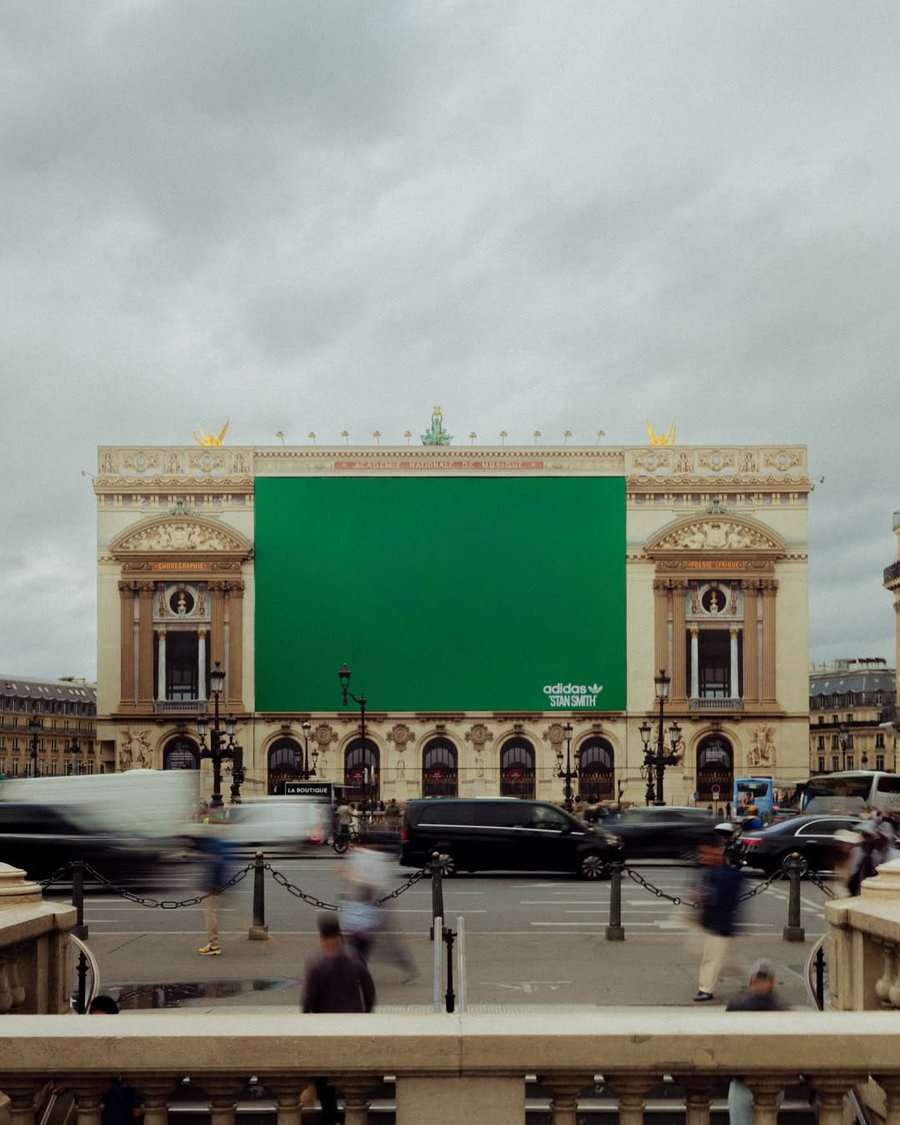
Paris Moda Haftası’nın gürültüsünde, 18. yüzyıldan kalma bir malikane, Adidas tarafından radikal bir sessizlik hacmine dönüştürüldü. "Stan Smith Residence", bir markanın kendini sergileme çabasından ziyade, nesnenin etrafındaki zamanı yavaşlatma protokolü olarak karşımıza çıkıyor. Odadaki en pahalı malzeme ayakkabı değil; Casper Mueller Kneer’in ham müdahaleleriyle korunan o devasa boşluğun kendisi. Adidas’ın Paris Moda Haftası’ndaki Stan Smith Residence operasyonu, perakendenin son yirmi yılını domine eden "deneyimsel pazarlama" (experiential marketing) yorgunluğuna verilmiş en sert ve en sessiz yanıttır.
MEKANSAL OTONOMİ VE TABELASIZLIK PROTOKOLÜ
Mekana adım attığınızda ilk fark ettiğiniz şey, orada neyin olduğu değil, neyin olmadığıdır. Bu bilinçli tabelasızlık hali, aslında bir güven manifestosu olarak okunmalı. Perakende dünyasının son yirmi yılını domine eden "deneyimsel pazarlama" yorgunluğuna verilmiş bu sert yanıt, markanın kendi görsel kimliğini tamamen geri çekmesiyle şekilleniyor. Bu stratejik geri çekilme, ziyaretçiyi bir müşteri profilinden sıyrılıp, mekanı kendi hızında deneyimleyen bir "sakin" (resident) olmaya zorluyor.
Stan Smith’in o meşhur "boş tuval" (blank canvas) olma özelliği, burada sadece bir metafor değil, fiziksel bir coğrafyaya dönüşüyor. Tabelaların yokluğu, nesneyle kurulan ilişkiyi ticari bir işlemden kişisel bir ikamete dönüştürüyor. Marka, size bir ürün satmak yerine, o ürünün etrafında nasıl duracağınızı belirleyen bir davranış protokolü tasarlıyor. Bu, mülkiyetin ve markanın o katı sınırlarını esneten bir mekansal otonomi girişimidir.
HACMİN LOJİSTİĞİ VE PERFORMANSIN AKUSTİK KATMANI
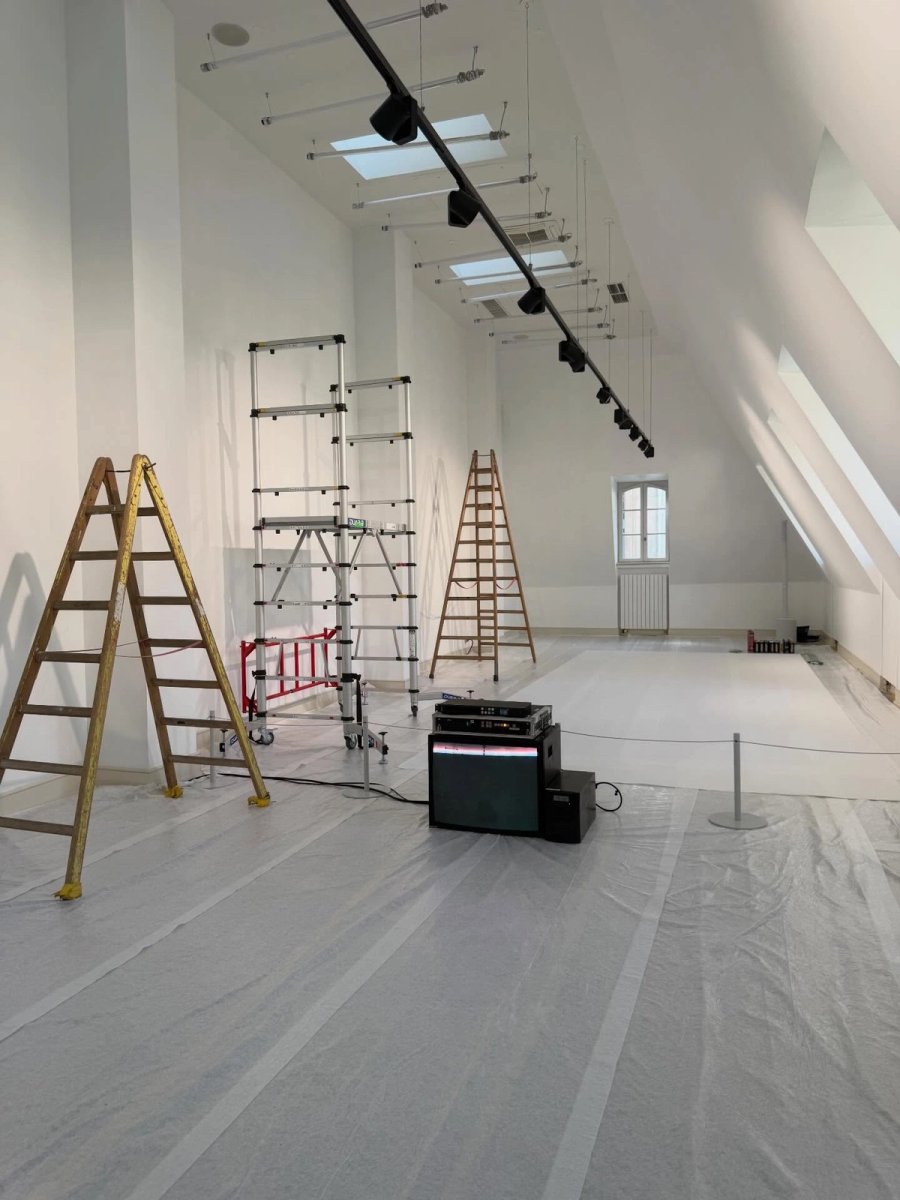
Casper Mueller Kneer’in mimari müdahalesi, malikanenin tarihi dokusunu restore etmek yerine onu "ham" (raw) bir fon olarak kullanıyor. Guillermo Santomà’nın endüstriyel, neredeyse brütalist mobilyaları ile 18. yüzyılın süslemeli tavanları arasındaki o gerilim, "Material Intelligence" kavramının fiziksel bir karşılığı gibi. Burada her şey, bir vazgeçişin otoritesiyle ayakta duruyor.
Mekandaki hareketlilik de bu mimari sessizliğin bir parçası. Mark Gonzales, tarihi salonların ortasına yerleştirilmiş bir rampada kayarken, tekerleklerin ahşap zeminle kurduğu o ham diyalog, mekanın sofistike yapısını bozmak yerine onu tamamlıyor. Gonzales burada bir "performer" değil; evin o anki sakini. James Blake piyanonun başına geçtiğinde, Saint Elisabeth’in yüksek tavanlarında yankılanan notalar bir müzik dinletisinden ziyade, mekanın akustik bir katmanına dönüşüyor. Müziğin kendisi, mimari bir öğe olarak o boşluğu dolduruyor. Yung Lean’in varlığı ise, sokak kültürünün o filtrelenmemiş enerjisinin bu sofistike rezidansa nasıl kusursuzca eklemlenebileceğinin kanıtı olarak orada duruyor.
VAZGEÇİŞİN OTORİTESİ VE YENİ LÜKSÜN MATERYAL KARŞILIĞI
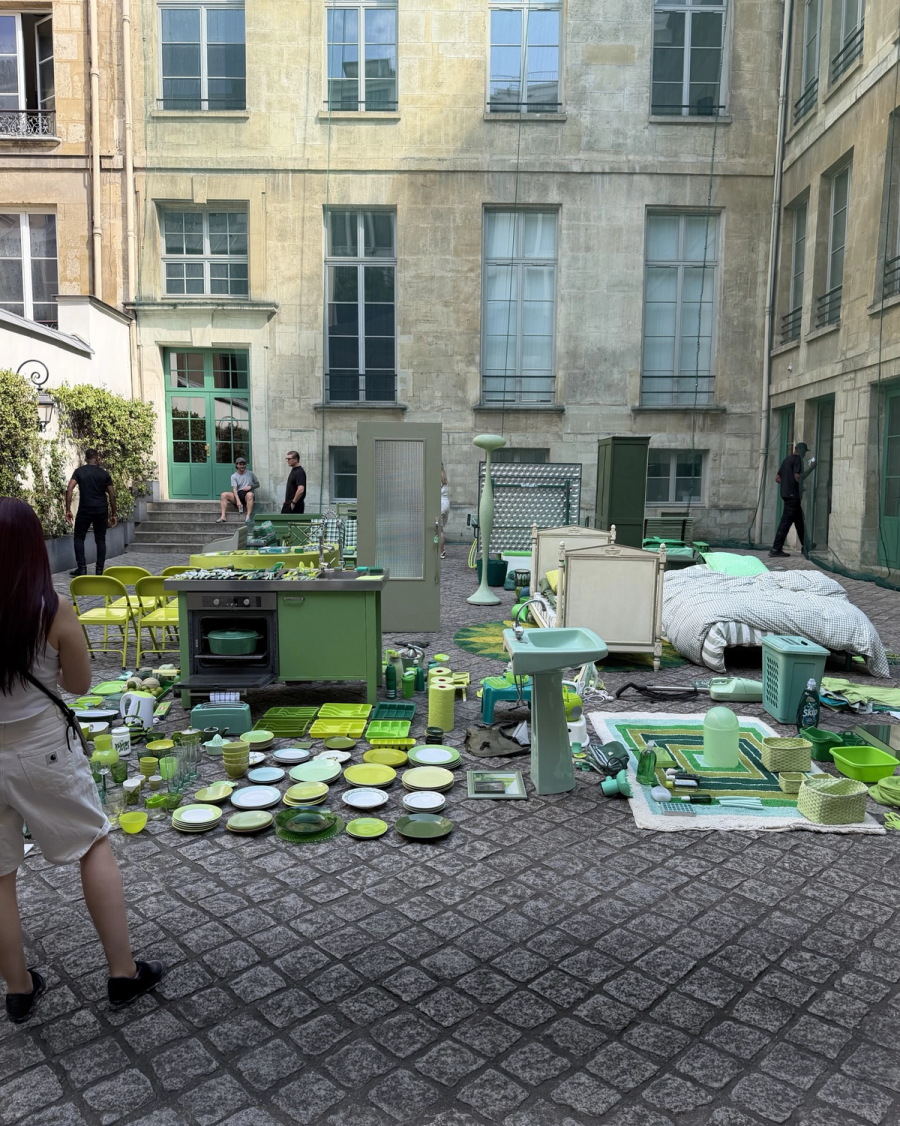
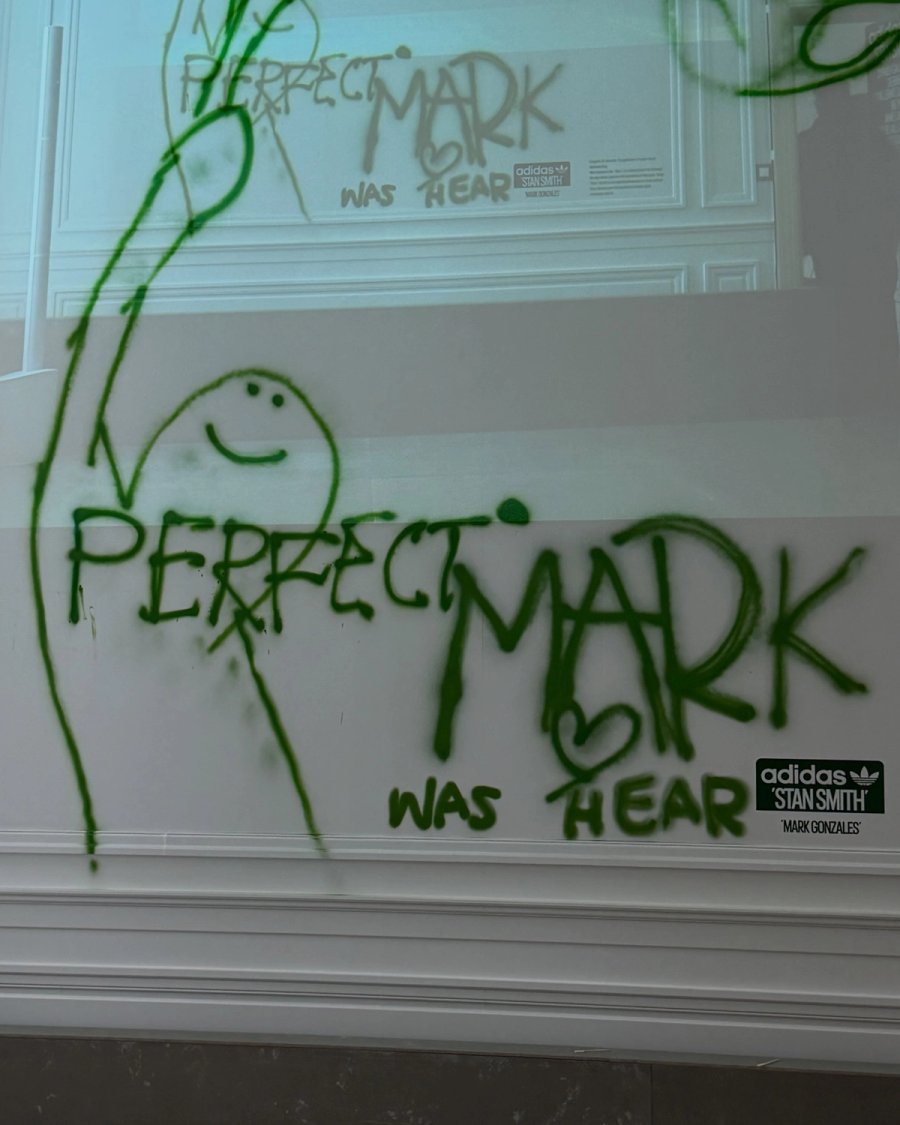
Adidas, Stan Smith’i bir ürün olarak rafa dizmek yerine, onun etrafındaki zamanı yavaşlatmayı seçmiş. Satış yapma arzusundan vazgeçmek, markaya o ana kadar sahip olamadığı bir mekansal otorite kazandırıyor. Bu, aslında en yüksek seviyedeki satış stratejisidir: Markanın, sizin ona gitmenize ihtiyaç duymayacak kadar güçlü olduğu illüzyonunu yaratmak. Courtyard’da duran ve dileyenin alıp götürebileceği yeşil objeler, bu "sahibiyetin reddi" fikrini daha da ileri taşıyor.
Peki, Adidas neden bir mağaza yerine bir ev kurdu?
Çünkü bir evde, nesneyle kurulan ilişki geçici bir satın alma eylemi değil, bir yaşama biçimidir. Stan Smith, bu malikanenin odalarında bir ayakkabı olmaktan çıkıp, bir tavra, bir boşluğa ve nihayetinde bir sessizliğe dönüşüyor. 2026’da lüksün tanımı, artık ne kadar çok şeye sahip olduğunuzla değil, ne kadar az şeye ihtiyaç duyduğunuzla ve o boşluğun içinde nasıl durduğunuzla ölçülüyor. Stan Smith Residence, görünür kültürün arkasındaki görünmez kararların nasıl bir otoriteye dönüşebileceğinin en dürüst kaydıdır.
KÜLTÜREL İSTİHBARAT: DAVRANIŞIN MATERYAL ZEKASI
Adidas'ın "Stan Smith Residence" operasyonu, WANC Journal'ın bir Kültürel İstihbarat Servisi olarak sunduğu yeni metodolojinin en somut laboratuvarıdır. Burada deşifre edilmesi gereken asıl unsur, ürünün kendisi değil, o ürünün etrafında kurgulanan görünmez tasarım kararlarıdır.
Stratejik zeka, boşluğu (void) ve zamanı (time) birer birincil malzeme olarak kullanarak ziyaretçinin hareket hızını ve psikolojik duruşunu kontrol eden bir Protokol Mimarisidir. Stan Smith Residence, markanın bir satış noktasından ziyade, bir "davranış ikametgahı" olarak nasıl işlev gördüğünü kanıtlar. Lüksün yeni tanımı, spektakülün reddi ve sessizliğin otoritesidir.
STAN SMITH RESIDENCE: THE ARCHITECTURE OF BEHAVIORAL PROTOCOLS
The high-frequency noise of Paris Fashion Week gives way to a kind of acoustic vacuum as the heavy doors of an 18th-century mansion close. This is the "residence" Adidas constructed for the Stan Smith. Yet, upon entering, there is no trace of a brand’s attempt to prove its existence. No signage, no price tags, and none of those invisible sales protocols that typically dictate direction. The most expensive material in the room is not the white leather of the Stan Smith, but the volume of the vast void preserved by Casper Mueller Kneer’s raw interventions.
SPATIAL AUTONOMY AND THE PROTOCOL OF SIGNLESSNESS
The first thing you notice when stepping into the space is not what is present, but what is missing. This deliberate lack of signage should be read as a manifesto of confidence. This sharp response to the "experiential marketing" fatigue that has dominated the retail world for the past two decades is shaped by the brand’s complete withdrawal of its own visual identity. This strategic retreat forces the visitor to shed the customer profile and become a "resident" experiencing the space at their own pace.
The famous "blank canvas" identity of the Stan Smith is not just a metaphor here; it transforms into a physical geography. The absence of signs turns the relationship with the object from a commercial transaction into a personal residence. Instead of selling you a product, the brand designs a behavioral protocol that determines how you stand around that product. This is an attempt at spatial autonomy that stretches the rigid boundaries of ownership and branding.
THE LOGISTICS OF VOLUME AND THE ACOUSTIC LAYER OF PERFORMANCE
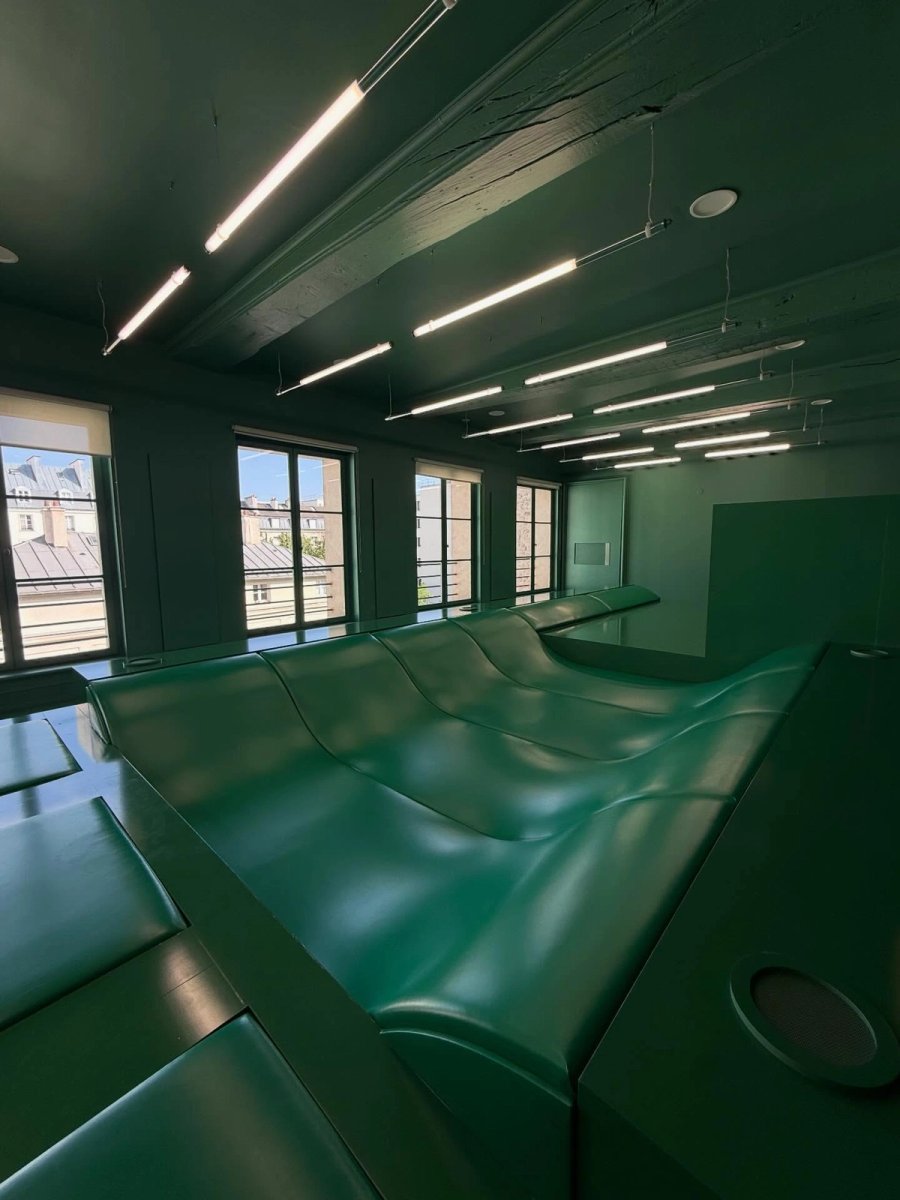
Casper Mueller Kneer’s architectural intervention uses the historical fabric of the mansion as a "raw" backdrop rather than restoring it. The tension between Guillermo Santomà’s industrial, almost brutalist furniture and the ornate 18th-century ceilings feels like a physical manifestation of "Material Intelligence." Everything here stands by the authority of renunciation.
Movement within the space is also part of this architectural silence. As Mark Gonzales skates on a ramp positioned in the middle of historic salons, the raw dialogue between the wheels and the wooden floor does not disrupt the sophisticated structure of the space; it completes it. Gonzales is not a "performer" here; he is the current resident of the house. When James Blake sits at the piano, the notes echoing through the high ceilings of Saint Elisabeth become an acoustic layer of the space rather than a musical recital. Music itself fills the void as an architectural element. Yung Lean’s presence stands as proof of how the unfiltered energy of street culture can seamlessly integrate into this sophisticated residence.
THE AUTHORITY OF RENUNCIATION AND THE MATERIAL CORRESPONDENCE OF NEW LUXURY
Adidas has chosen to slow down the time around the Stan Smith instead of lining it up as a product on a shelf. Giving up the desire to sell grants the brand a spatial authority it previously lacked. This is, in fact, the highest level of sales strategy: creating the illusion that the brand is powerful enough not to need you to go to it. The green objects in the courtyard, free for anyone to take, carry this idea of "renunciation of ownership" even further.
So, why did Adidas build a home instead of a store?
Because in a home, the relationship with the object is not a temporary act of purchase, but a way of living. In the rooms of this mansion, the Stan Smith ceases to be a shoe and transforms into an attitude, a void, and ultimately, a silence. In 2026, the definition of luxury is no longer measured by how much you own, but by how little you need and how you stand within that void. The Stan Smith Residence is the most honest record of how invisible decisions behind visible culture can transform into authority.


CULTURAL INTELLIGENCE: THE MATERIAL INTELLIGENCE OF BEHAVIOR
The "Stan Smith Residence" operation by Adidas is the most tangible laboratory for WANC Journal’s new methodology as a Cultural Intelligence Service. The key element to decipher here is not the product itself, but the invisible design decisions orchestrated around it.
Strategic intelligence manifests as an Architecture of Protocols, using void and time as primary materials to control the visitor's pace and psychological stance. The Stan Smith Residence proves how a brand functions as a "behavioral abode" rather than a point of sale. The new definition of luxury is the rejection of spectacle and the authority of silence.
Photos and videos: Streetnightlive, Wegotnotaste

Sonraki Yazı
THE ARCHITECTURE OF GRATITUDE: HAMZA SHAH MIAN’S ABIMAL
Okumaya Devam Et
essay